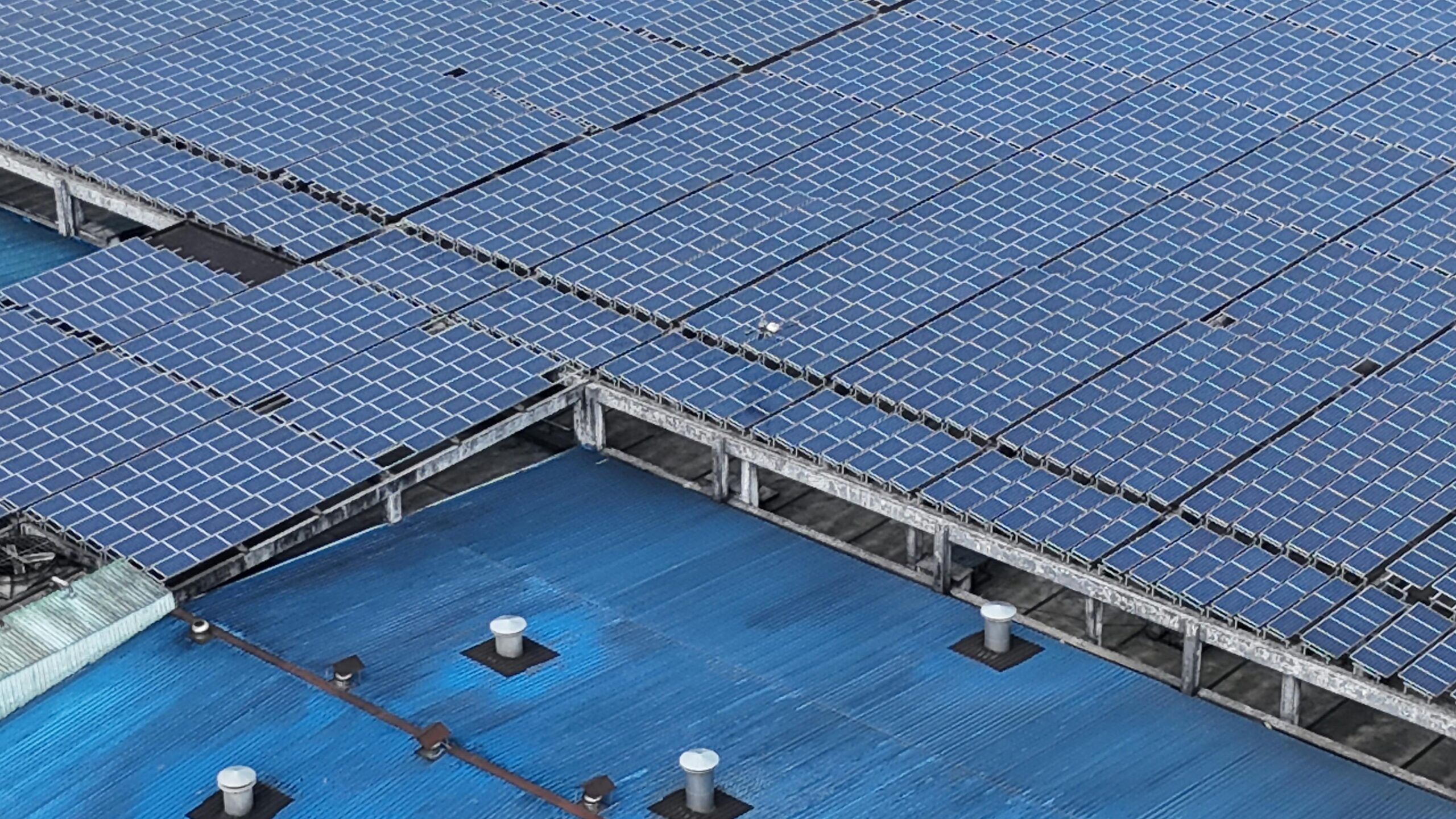
In a world overwhelmed by consumption, choosing resilience over excess is the key to building a sustainable future that benefits both people and planet. 🌍

The way we consume shapes not only our personal lives but also the health of our communities and ecosystems. Every purchase, every choice we make sends ripples through complex supply chains, environmental systems, and social structures. Understanding this interconnectedness is the first step toward adopting a resilience-oriented approach to consumption—one that prioritizes long-term wellbeing over short-term gratification and recognizes that true abundance comes from balance, not excess.
Understanding Resilience-Oriented Consumption 💡
Resilience-oriented consumption represents a fundamental shift in how we approach our relationship with goods, services, and resources. Rather than viewing consumption as an end in itself, this philosophy treats it as a means to build adaptive capacity and long-term stability. It asks us to consider not just what we buy, but why we buy it, how it was made, and what happens after we’re done with it.
At its core, resilience-oriented consumption emphasizes durability over disposability, quality over quantity, and mindful selection over impulse purchasing. It recognizes that the cheapest option isn’t always the most economical when we factor in replacement costs, environmental impact, and social consequences. This approach empowers individuals to make choices that strengthen rather than deplete personal, community, and ecological resources.
This consumption model draws inspiration from various traditions and movements, including minimalism, circular economy principles, and indigenous wisdom about living in harmony with nature. It acknowledges that resilience isn’t about perfection or deprivation—it’s about making informed choices that align with our values and contribute to systems that can withstand shocks and adapt to change.
The Hidden Costs of Conventional Consumption Patterns 📊
Our current consumption patterns carry costs that extend far beyond the price tags we see at checkout. The environmental toll of producing, transporting, using, and disposing of goods accounts for a significant portion of global greenhouse gas emissions. Fast fashion alone generates more carbon emissions than international flights and maritime shipping combined, while electronic waste has become one of the fastest-growing waste streams worldwide.
The social costs are equally concerning. Labor exploitation, unsafe working conditions, and inadequate wages plague supply chains for everything from clothing to electronics to food products. When we prioritize low prices above all else, we often inadvertently support systems that treat workers as disposable resources rather than valued human beings.
On a personal level, excessive consumption creates its own burdens. The constant acquisition of new things demands time, space, mental energy, and money that could be directed toward experiences, relationships, and pursuits that genuinely enhance wellbeing. The paradox of choice can lead to decision fatigue and dissatisfaction, while the pressure to keep up with trends fuels anxiety and financial stress.
Breaking the Cycle of Disposability
The throwaway culture that dominates modern consumption wasn’t inevitable—it was deliberately cultivated through planned obsolescence, aggressive marketing, and economic systems that prioritized growth over sustainability. Recognizing this helps us understand that we can choose differently. Breaking free from disposability means questioning the assumption that newer is always better and that replacement is preferable to repair.
This shift requires both individual action and systemic change. While personal choices matter, we also need policies that hold corporations accountable for the full lifecycle of their products, infrastructure that supports repair and reuse, and economic models that reward longevity and regeneration rather than constant consumption.
Practical Strategies for Resilient Consumption 🛠️
Transitioning to resilience-oriented consumption doesn’t require perfection or radical overnight change. Small, consistent shifts in how we approach purchasing decisions can create meaningful impact over time. The goal is progress, not perfection, and building habits that become natural rather than forced.
The Five R’s Framework
A practical approach to resilient consumption follows an expanded version of the traditional “reduce, reuse, recycle” framework. This enhanced model provides clear guidance for decision-making:
- Refuse: Decline what you don’t need, from promotional freebies to impulse purchases that don’t align with your values or needs.
- Reduce: Minimize consumption by choosing quality items that serve multiple purposes and last longer.
- Reuse: Extend the life of items through creative repurposing, proper maintenance, and choosing secondhand options.
- Repair: Fix broken items instead of automatically replacing them, supporting a culture of craftsmanship and longevity.
- Recycle: Only after exhausting other options, properly recycle materials to keep them in productive use.
This hierarchy prioritizes actions that have the greatest positive impact, with refusal and reduction at the top because they prevent resource consumption and waste generation at the source. Each step represents an opportunity to make choices that build rather than deplete resilience.
Mindful Purchasing Decisions
Before making any purchase, especially significant ones, implementing a thoughtful evaluation process can prevent regrettable decisions and strengthen intentionality. Consider creating a personal purchasing checklist that includes questions like: Do I truly need this, or am I responding to external pressure or temporary emotion? Can I borrow, rent, or buy this secondhand? What is the true cost of this item, including environmental and social factors?
The 30-day rule offers another powerful tool for resilient consumption. When you feel the urge to buy something non-essential, wait 30 days before making the purchase. This cooling-off period allows you to distinguish between genuine needs and fleeting wants. Often, the initial desire fades, saving both money and resources. When the desire persists, you can proceed with confidence that the purchase truly aligns with your priorities.
Building a Resilient Wardrobe 👕
Clothing represents one of the most impactful areas where individuals can practice resilience-oriented consumption. The fashion industry’s environmental and social footprint is enormous, but our choices can drive positive change while creating personal benefits in terms of both style and budget.
A resilient wardrobe emphasizes versatile, high-quality pieces that can be mixed and matched across seasons and occasions. Rather than chasing every trend, this approach focuses on timeless styles that reflect your authentic aesthetic and can be worn for years. Natural fibers like organic cotton, linen, and wool typically offer better durability and environmental profiles than synthetic alternatives, though context matters for every decision.
Shopping secondhand, whether through thrift stores, consignment shops, or online platforms, extends the life of existing garments while reducing demand for new production. Clothing swaps with friends create community connections while refreshing wardrobes without new purchases. Learning basic mending skills—sewing on buttons, fixing hems, patching small holes—transforms relationship with clothing from disposable to valuable.
Nourishing Yourself and the Planet Through Food Choices 🌱
Food consumption offers daily opportunities to practice resilience-oriented choices that support personal health, community vitality, and ecological sustainability. The industrial food system often prioritizes convenience and low prices over nutrition, environmental stewardship, and fair labor practices, but alternatives exist that benefit all stakeholders.
Prioritizing whole foods over heavily processed options typically improves both nutrition and environmental impact while reducing exposure to excessive packaging. Shopping at farmers markets connects you directly with food producers, keeping money in local economies and reducing transportation emissions. Growing even small amounts of your own food—herbs on a windowsill, vegetables in a backyard plot, or participating in a community garden—builds food security and appreciation for the resources required to produce nourishment.
Reducing food waste represents one of the most impactful changes individuals can make. Approximately one-third of all food produced globally is wasted, contributing significantly to greenhouse gas emissions and squandering precious resources. Meal planning, proper food storage, creative use of leftovers, and composting organic waste all contribute to a more resilient food system. Understanding date labels (many foods remain safe and nutritious well beyond “best by” dates) prevents unnecessary disposal.
The Power of Plant-Forward Eating
Shifting toward plant-centered eating, even incrementally, offers substantial benefits for personal health and planetary wellbeing. Animal agriculture accounts for significant greenhouse gas emissions, water use, and land degradation. You don’t need to eliminate animal products entirely—even reducing consumption by incorporating more plant-based meals each week creates meaningful impact.
This approach enhances dietary resilience by diversifying protein sources and reducing dependence on resource-intensive foods. Exploring beans, lentils, nuts, seeds, and whole grains introduces new flavors and textures while typically reducing grocery costs. The flexibility to thrive on diverse food sources builds both personal and community resilience in the face of supply chain disruptions or environmental changes.
Technology and Resilience: A Balanced Approach 📱
Technology presents unique challenges and opportunities for resilience-oriented consumption. Electronic devices require rare earth minerals, energy-intensive manufacturing, and generate toxic waste when improperly disposed of. Yet technology also enables connection, learning, efficiency gains, and solutions to sustainability challenges.
Practicing resilient technology consumption means resisting the pressure to upgrade devices simply because newer models exist. Extend device lifespan through protective cases, battery replacement, and software maintenance. When upgrades become necessary due to functionality rather than desire, consider refurbished options that offer significant savings while reducing manufacturing demand.
Digital minimalism—intentionally curating which technologies and platforms truly serve your goals—reduces both consumption of devices and the time and attention they extract. Regular audits of apps, subscriptions, and digital habits ensure technology remains a tool that enhances life rather than dominates it.
Creating Resilient Home Environments 🏡
Our homes reflect and shape our consumption patterns. Creating spaces that support resilience-oriented living involves both what we bring in and how we maintain what we have. Choosing furniture and household items built to last, even if they require higher upfront investment, typically proves more economical and sustainable over time.
Energy efficiency improvements—from LED lighting to improved insulation to efficient appliances—reduce environmental impact while lowering utility costs. These investments in home resilience pay dividends through reduced resource consumption and increased comfort. Water conservation measures like low-flow fixtures and drought-resistant landscaping build resilience in the face of increasing water scarcity.
Maintaining rather than replacing serves as a cornerstone of home resilience. Regular cleaning, timely repairs, and preventative maintenance extend the life of everything from roofs to appliances to flooring. Building relationships with skilled repair professionals creates community connections while avoiding unnecessary replacement.
The Joy of Shared Resources
Many items we think we need to own individually could be shared within communities, reducing overall consumption while strengthening social bonds. Tool libraries, toy exchanges, book sharing, and equipment rental services demonstrate that access matters more than ownership for many goods. Sharing lawn equipment, party supplies, or specialized tools with neighbors builds community resilience while reducing the financial and environmental costs of individual ownership.
Navigating Social Pressures and Cultural Expectations ✨
Adopting resilience-oriented consumption often means swimming against powerful cultural currents that equate shopping with entertainment, self-expression with acquisition, and success with visible consumption. These pressures operate through advertising, social media, peer expectations, and internalized beliefs about what we need to be happy or worthy.
Developing awareness of these influences represents the first step toward freedom from them. Notice when you feel compelled to purchase based on comparison, status seeking, or emotional regulation rather than genuine need or aligned values. Recognizing these patterns without judgment creates space for conscious choice.
Surrounding yourself with communities and influences that support resilient living makes the journey easier and more joyful. Whether online forums, local groups, or individual relationships, connecting with others who share your values provides encouragement, practical tips, and the normalization of choices that may seem unusual in mainstream culture.
The Ripple Effects of Your Choices 🌊
Individual consumption choices might seem small against the scale of global challenges, but they create impacts beyond their immediate effects. Your purchases vote for certain business practices and production methods, signaling demand for more sustainable options. Your visible choices influence friends, family, and community members, normalizing resilience-oriented consumption and potentially inspiring broader change.
The skills you develop through resilient consumption—repair, creativity, delayed gratification, critical thinking about marketing—strengthen personal capacity to navigate uncertainty and change. The money you save by consuming less and more intentionally can be redirected toward experiences, education, community support, or financial security that enhance true wellbeing.
Perhaps most importantly, aligning your consumption with your values reduces the cognitive dissonance that drains energy and creates dissatisfaction. Living in integrity with your understanding of what matters creates a sense of peace and purpose that no amount of shopping can provide.

Embracing Imperfection on the Path Forward 🚶
The journey toward resilience-oriented consumption is exactly that—a journey rather than a destination. Perfection isn’t the goal, and guilt serves no productive purpose. There will be times when convenience wins out over ideals, when budgets require compromises, or when you simply make choices that don’t align with your aspirations. These moments are part of being human, not failures to be punished.
What matters is the overall direction of travel and the commitment to keep learning and adapting. Each choice offers a new opportunity to practice values-aligned decision-making. Progress comes through consistency over time, not perfect execution in every moment.
Celebrate the changes you make, however small they might seem. Every item repaired rather than replaced, every unnecessary purchase declined, every secondhand treasure found instead of buying new—these victories deserve recognition. They represent not deprivation but empowerment, not sacrifice but alignment with what truly matters.
As more individuals embrace resilience-oriented consumption, we collectively build momentum for the systemic changes needed to create genuinely sustainable economies and societies. Your choices matter not just for their direct impact but for how they contribute to shifting norms, expectations, and possibilities. In choosing resilience, you choose a future where both people and planet can thrive, where abundance means sufficiency and connection rather than excess and isolation.
The power to shape that future rests in your hands with every decision, every purchase, every moment of choosing what truly serves your wellbeing and the wellbeing of the wider world. Embrace that power with confidence, knowing that resilience-oriented consumption isn’t about perfection but about progress toward a more balanced, sustainable, and meaningful way of living.