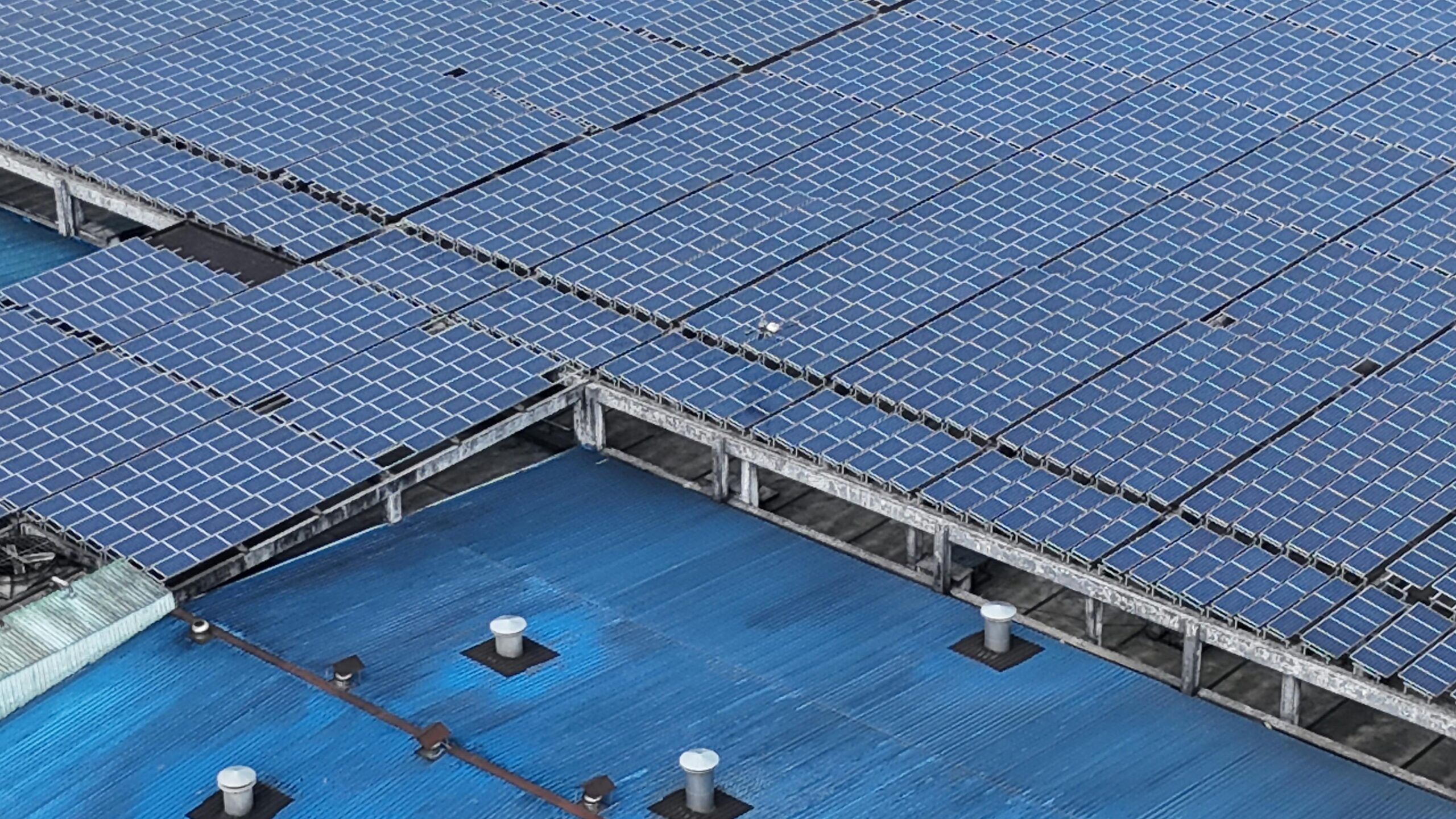
Our planet’s resources are finite, yet our consumption patterns continue to strain ecosystems worldwide. Reimagining how we use, reuse, and renew materials isn’t just environmentally responsible—it’s essential for survival.

🌍 The Urgent Need for Resource Reuse in Today’s World
We’re living in an era of unprecedented consumption. Every year, humanity extracts over 100 billion tons of materials from the Earth, yet only 8.6% of these resources are cycled back into the economy. This linear “take-make-dispose” model has brought us to the brink of environmental catastrophe, with landfills overflowing, oceans choking on plastic, and carbon emissions accelerating climate change.
The concept of resource reuse isn’t new—our ancestors practiced it out of necessity. However, the industrial revolution and mass production shifted our mindset toward disposability. Today, we’re witnessing a crucial paradigm shift back to valuing what we already have. This transformation requires us to reimagine our relationship with materials, repurpose items creatively, and renew our commitment to sustainability.
Understanding the Three Pillars of Resource Conservation
Reimagine: Shifting Our Mental Models 🧠
Reimagining begins in the mind. It requires us to see waste not as trash but as misplaced resources. This cognitive shift transforms how we design products, structure businesses, and make daily choices. Companies like Patagonia have reimagined their entire business model around durability and repair rather than planned obsolescence.
When we reimagine resource use, we question fundamental assumptions. Why should packaging be single-use? Could buildings be designed for disassembly? What if products were services we subscribe to rather than items we discard? These questions unlock innovative solutions that benefit both businesses and the environment.
Repurpose: Creative Innovation in Action ♻️
Repurposing breathes new life into materials that would otherwise end up in landfills. This practice ranges from simple household projects to industrial-scale operations. Glass bottles become building materials, shipping containers transform into homes, and textile waste converts into insulation.
The beauty of repurposing lies in its accessibility. Anyone can participate, from individual crafters creating furniture from pallets to manufacturers developing new products from industrial byproducts. This democratization of sustainability makes environmental action tangible and achievable for everyone.
Renew: Commitment to Continuous Improvement 🌱
Renewal represents the ongoing commitment to sustainable practices. It’s about establishing systems that regenerate rather than deplete. Renewable energy, regenerative agriculture, and circular economy models exemplify this principle. Renewal ensures that our solutions today don’t become tomorrow’s problems.
The Economic Case for Resource Reuse
Sustainability isn’t just ethically sound—it’s economically intelligent. The circular economy, built on resource reuse principles, represents a $4.5 trillion opportunity by 2030. Companies embracing these practices report reduced material costs, enhanced brand reputation, and access to environmentally conscious consumer markets.
Manufacturing industries waste approximately 30% of materials during production. By implementing reuse strategies, businesses can significantly reduce procurement costs while minimizing environmental impact. This dual benefit makes resource conservation a competitive advantage rather than a burden.
Small businesses and entrepreneurs are finding lucrative opportunities in the reuse economy. Repair cafés, upcycling workshops, and refurbishment services are flourishing. These ventures prove that profitability and sustainability can coexist harmoniously.
Practical Strategies for Individuals and Households
Starting Your Reuse Journey at Home 🏠
Transitioning to a reuse-oriented lifestyle doesn’t require drastic overnight changes. Begin by auditing your waste. What do you throw away most frequently? These items represent your biggest opportunities for improvement.
Kitchen waste offers excellent starting points. Composting organic materials returns nutrients to soil while reducing landfill contributions. Glass jars become storage containers. Vegetable scraps can create flavorful broths. These simple shifts accumulate into significant environmental impact over time.
Smart Shopping Habits That Support Reuse
Consumer choices drive market trends. Prioritize products designed for longevity and repair. Choose items with minimal packaging or packaging made from recycled materials. Support companies transparent about their sustainability practices and supply chains.
The secondhand market has evolved dramatically. Online platforms connect buyers and sellers of pre-loved items, from clothing to electronics. Buying used extends product lifecycles, reduces demand for new production, and often saves money—a triple win.
Digital Tools for Sustainable Living 📱
Technology facilitates resource reuse through various applications. Apps help identify recycling facilities, connect people for item sharing, and provide repair instructions. These digital tools make sustainable choices more convenient than ever.
Community-based sharing platforms reduce the need for individual ownership of infrequently used items. Tool libraries, clothing swaps, and ride-sharing services exemplify collaborative consumption models that maximize resource efficiency while building social connections.
Business Innovation Through Resource Reuse
Circular Business Models Transforming Industries
Forward-thinking companies are redesigning entire business models around circularity. Product-as-a-service offerings keep ownership with manufacturers, incentivizing durable design and end-of-life recovery. Philips offers lighting as a service, maintaining ownership of fixtures while customers pay for illumination.
Reverse logistics systems recover products after use for refurbishment or material recovery. Dell collects old electronics, extracting valuable materials for new products. These closed-loop systems reduce virgin material dependence while creating new revenue streams.
Industrial Symbiosis: Waste as Resource
Industrial symbiosis networks connect businesses where one company’s waste becomes another’s raw material. These collaborative arrangements optimize resource flows across entire industrial ecosystems. In Kalundborg, Denmark, a pioneering industrial symbiosis network has operated for decades, with power plants, refineries, and pharmaceutical companies exchanging energy, water, and materials.
Community-Level Solutions and Social Innovation
Communities worldwide are organizing around resource reuse principles. Repair cafés bring together volunteers with repair skills and community members with broken items. These gatherings fix products while teaching valuable skills and fostering social cohesion.
Community gardens transform vacant lots into productive green spaces, growing food while managing organic waste through composting. These initiatives address multiple challenges simultaneously: food security, waste management, urban greening, and community building.
Local exchange trading systems (LETS) and time banks create alternative economies based on skill and service exchange rather than monetary transactions. These systems maximize community resources while reducing consumption of commercial goods and services.
Policy Frameworks Supporting Resource Reuse 📋
Government policies significantly influence resource reuse adoption. Extended producer responsibility (EPR) regulations hold manufacturers accountable for products throughout their entire lifecycle, including end-of-life management. These policies incentivize design for durability, repairability, and recyclability.
Tax incentives for repair services, remanufacturing, and recycled material use can accelerate circular economy transitions. Several European countries have implemented reduced VAT rates on repair services, making fixing items more economically attractive than replacing them.
Public procurement policies leveraging government purchasing power to favor sustainable products create market demand for reused and recycled materials. When governments commit to buying recycled content products, they stimulate market development and price competitiveness.
Overcoming Barriers to Widespread Adoption
Addressing Convenience Concerns
Many people perceive sustainable practices as inconvenient. However, infrastructure improvements are making resource reuse increasingly accessible. Expanded collection programs, accessible repair services, and user-friendly platforms reduce friction in sustainable choices.
Habit formation proves crucial. Initial efforts feel challenging, but repeated behaviors become automatic. Starting with small, manageable changes builds momentum toward more comprehensive sustainable lifestyles.
Combating Misinformation and Greenwashing
As sustainability gains popularity, misleading marketing claims proliferate. Consumers need tools and knowledge to distinguish genuine environmental efforts from superficial greenwashing. Third-party certifications, transparency reports, and critical evaluation skills help navigate this landscape.
The Future of Resource Reuse: Emerging Trends 🚀
Technological innovations are expanding reuse possibilities. Advanced sorting technologies improve recycling efficiency. Blockchain enables transparent supply chain tracking, verifying recycled content claims. Artificial intelligence optimizes material flows in circular systems.
Biomimicry inspires designs that function like natural ecosystems, where waste doesn’t exist—everything serves as input for other processes. These nature-inspired solutions offer blueprints for truly regenerative systems.
The sharing economy continues evolving, enabled by digital platforms connecting resource owners with users. From transportation to accommodation to tools, collaborative consumption models reduce the number of products needed while maintaining service access.
Education and Cultural Transformation
Long-term sustainability requires cultural shifts transmitted through education. Schools incorporating circular economy principles into curricula prepare future generations with necessary mindsets and skills. Hands-on projects teaching repair, reuse, and creative repurposing instill values early.
Media representation matters. Stories highlighting successful reuse initiatives, innovative solutions, and inspiring individuals normalize sustainable practices. When resourcefulness and creativity receive celebration rather than consumption and disposal, cultural values shift.
Measuring Impact and Tracking Progress 📊
Quantifying resource reuse benefits helps maintain motivation and guide improvements. Individuals can track waste reduction, money saved, and carbon emissions avoided. Businesses measure material efficiency, waste diversion rates, and circular economy revenues.
Standardized metrics enable comparison and benchmarking. Life cycle assessments evaluate environmental impacts across product lifecycles. Material flow analysis tracks resource movements through economies. These tools provide data-driven insights for decision-making.
Building Resilience Through Resource Intelligence
Resource reuse isn’t merely about environmental protection—it’s about building resilient systems. Supply chain disruptions during recent global crises highlighted vulnerabilities in linear consumption models. Communities and businesses practicing resource reuse demonstrated greater adaptability and resilience.
Local reuse networks reduce dependence on distant supply chains. Skills in repair and repurposing provide self-sufficiency during shortages. Diverse material streams create flexibility when specific resources become scarce. These resilience benefits complement environmental advantages.
Your Role in the Reuse Revolution 💪
Every individual action contributes to collective impact. When you choose reusable over disposable, repair rather than replace, or share instead of purchase, you participate in systemic transformation. These choices signal market demand, influence social norms, and demonstrate feasibility.
Start where you are with what you have. Identify one area for improvement—perhaps reducing food waste, buying secondhand clothing, or learning basic repair skills. Master that change, then expand. Sustainable transformation happens through accumulated small steps, not giant leaps.
Share your journey. When friends and family see your successes, they become curious and inspired. Personal stories prove more persuasive than abstract statistics. Your example gives others permission and confidence to explore their own sustainable pathways.

Creating Legacy Through Stewardship 🌟
Resource reuse represents more than waste management—it’s an expression of stewardship, recognizing our responsibility to future generations. Every material we salvage, every product we extend, and every system we redesign contributes to a more viable future.
The transition toward circular systems will define our era. We stand at a pivotal moment where individual choices, business innovations, and policy decisions converge to reshape our relationship with resources. This isn’t about sacrifice or deprivation—it’s about intelligence, creativity, and care.
By reimagining possibilities, repurposing resources, and renewing our commitment to sustainability, we unlock transformative power. The sustainable future we need won’t arrive through technology alone or policy mandates alone—it emerges from millions of people making conscious choices daily, businesses innovating courageously, and communities supporting one another.
The power of resource reuse lies not in perfection but in participation. Every effort counts, every improvement matters, and every voice adds momentum to this essential transformation. Together, we’re not just managing waste—we’re crafting a flourishing, sustainable world for generations to come.