
Trading goods and services with your neighbors isn’t just practical—it’s a powerful way to build community, reduce waste, and rediscover the human connections that modern commerce often lacks.

🔄 Why Bartering Is Making a Powerful Comeback
In an era dominated by digital transactions and impersonal online shopping, something remarkable is happening in communities across the globe. People are rediscovering the ancient practice of bartering, breathing new life into local economies and forging meaningful connections with their neighbors. This isn’t just nostalgia—it’s a conscious movement toward sustainable living, community resilience, and authentic human interaction.
The resurgence of barter markets reflects a growing dissatisfaction with consumer culture and a desire for more intentional ways of exchanging value. When you trade your homemade jam for your neighbor’s fresh vegetables, you’re not just exchanging goods—you’re exchanging stories, skills, and trust. This fundamental shift in how we think about commerce is transforming neighborhoods and creating vibrant local ecosystems.
Modern barter markets combine the timeless appeal of direct exchange with contemporary organization and accessibility. Whether through organized community events, online platforms, or informal neighborhood groups, bartering has evolved to fit seamlessly into our busy lives while maintaining its essential character.
💰 The Hidden Economic Benefits of Local Trading
Participating in barter markets offers tangible financial advantages that extend far beyond simply saving money. When you trade items you no longer need for things you actually want, you’re effectively creating value from resources that might otherwise sit unused in your home. This circular economy approach maximizes the utility of every object and service within your community.
Consider the mathematical beauty of bartering: if you have a surplus of garden produce worth $50 and trade it for childcare services you would have paid $50 for, you’ve effectively doubled the value of your harvest. Traditional money changes hands zero times, yet both parties have received exactly what they needed. This multiplication of value happens countless times within thriving barter communities.
Beyond individual transactions, local barter markets strengthen community economic resilience. When neighbors can meet their needs through trading, they become less vulnerable to economic fluctuations, job losses, or financial emergencies. This creates a safety net woven from mutual support rather than institutional assistance.
Building Your Personal Trading Capital
Everyone has something valuable to offer in a barter economy, though many people initially struggle to identify their tradeable assets. Your skills, time, creativity, and possessions all represent potential trading capital. The key is recognizing that value is subjective—what seems ordinary to you might be exactly what someone else desperately needs.
Successful barterers develop diverse portfolios of tradeable offerings. Perhaps you’re handy with home repairs, skilled at graphic design, or simply have time to help elderly neighbors with errands. Maybe you bake exceptional bread, grow abundant herbs, or create beautiful handcrafted items. Each of these represents legitimate currency in the barter marketplace.
🌱 Environmental Impact: Trading Toward Sustainability
The environmental benefits of bartering extend far beyond the obvious reduction in consumption. Every item traded is an item not purchased new, which means reduced manufacturing demand, less packaging waste, and fewer carbon emissions from transportation. Multiplied across thousands of transactions in an active barter community, this impact becomes substantial.
Barter markets naturally encourage mindful consumption patterns. When you acquire items through trading rather than purchasing, you tend to value them more highly and use them more thoughtfully. This psychological shift away from disposable consumer mentality represents one of bartering’s most profound environmental contributions.
Local trading also shortens supply chains dramatically. Instead of goods traveling thousands of miles from manufacturer to warehouse to retailer to consumer, items move directly between community members, often within walking or biking distance. This hyperlocal distribution model represents the ultimate in low-impact commerce.
Creating Zero-Waste Community Loops
The most successful barter communities create closed-loop systems where waste virtually disappears. Excess produce becomes shared meals, outgrown children’s clothes circulate through multiple families, and broken items find their way to people with repair skills. These circular flows mimic natural ecosystems where nothing is truly wasted.
Composting, seed sharing, and tool libraries often emerge organically within barter communities, extending the zero-waste philosophy beyond individual transactions into systematic community practices. These initiatives amplify individual efforts into collective impact that transforms entire neighborhoods.
👥 The Social Magic of Face-to-Face Trading
Perhaps the most compelling reason to participate in local barter markets has nothing to do with economics or environmentalism—it’s about human connection. In our increasingly isolated digital world, barter markets create rare spaces for authentic interaction and community building.
When you meet someone to trade goods or services, you inevitably share conversation, learn about each other’s lives, and build relationships that extend beyond the transaction. These repeated interactions weave social fabric that strengthens entire communities, creating networks of mutual support that prove invaluable during both ordinary times and emergencies.
Regular participants in barter markets consistently report unexpected friendships, valuable mentorships, and a renewed sense of belonging to their communities. These social dividends often prove more valuable than any material goods exchanged.
Breaking Down Social Barriers Through Exchange
Barter markets bring together people from diverse backgrounds who might never otherwise interact. Economic status becomes less relevant when everyone has something valuable to offer. This leveling effect creates unusually inclusive community spaces where doctors trade with students, retirees exchange with young families, and newcomers quickly integrate.
The egalitarian nature of bartering helps dissolve social hierarchies and build empathy across traditional dividing lines. When you directly experience someone’s skills, creativity, or generosity through trading, stereotypes and assumptions fall away, replaced by genuine appreciation and respect.
🗺️ Finding Barter Markets in Your Community
Discovering local barter opportunities requires a bit of detective work, but active trading communities exist in most areas, often hiding in plain sight. Start by searching online for “barter market,” “swap meet,” “skill share,” or “community exchange” combined with your city or neighborhood name. Many communities host regular events that have simply never appeared on your radar.
Local Facebook groups have become primary organizing platforms for neighborhood barter communities. Search for variations like “[Your Area] Buy Nothing,” “[Your City] Swap,” or “[Your Neighborhood] Share and Trade.” These groups often have hundreds or thousands of active members conducting daily trades.
Community centers, libraries, churches, and cooperative organizations frequently host or know about local barter events. A few phone calls or in-person visits to these community anchors can quickly connect you to existing trading networks or inspire the creation of new ones.
Digital Platforms Connecting Local Traders
Several apps and websites specifically facilitate local bartering and trading. These platforms combine the convenience of digital organization with the community focus of face-to-face exchange. Bunz, for example, has created successful trading communities in multiple cities, while BarterQuest and Swapub help people discover local trading opportunities.
Nextdoor, while not specifically designed for bartering, has become a popular platform for neighborhood exchanges. Many communities have created dedicated trading sections within their local Nextdoor groups, facilitating everything from tool lending to skill swapping.
Timebanking platforms like hOurworld and Community Weaver offer structured systems for trading services based on time rather than traditional value assessments. In these systems, one hour of any service equals one hour of any other service, creating radically egalitarian exchange networks.
🎯 Starting Your Own Barter Initiative
If your area lacks active barter opportunities, creating your own trading community is easier than you might imagine. Start small with a neighborhood swap event, invite friends and neighbors, and watch it grow organically as word spreads.
Choose an accessible location like a community center, park pavilion, or even someone’s backyard. Set a regular schedule—monthly events work well for building momentum—and promote through multiple channels: flyers, social media, community bulletin boards, and word of mouth.
Establish simple guidelines that prioritize safety and fairness while keeping bureaucracy minimal. Most successful barter markets operate on trust and common sense rather than complex rules. Focus on creating a welcoming atmosphere where everyone feels comfortable participating.
Essential Elements for Successful Barter Events
The most thriving barter markets share several common characteristics. They create comfortable spaces for browsing and negotiating, offer clear categories for different types of items or services, and maintain a friendly atmosphere that encourages interaction rather than pure transaction.
Consider organizing your market into zones: goods, services, skills, and food often work well as basic categories. Provide tables or display areas, encourage people to bring samples of their services (like craft examples or before-and-after photos of repair work), and perhaps offer refreshments to encourage lingering and conversation.
Documentation helps build community memory and trust. A simple sign-in sheet, optional name tags, and perhaps a shared online space where participants can post what they’re offering or seeking between events all strengthen the trading network.
📋 What Trades Well: Understanding Barter Market Dynamics
Certain categories consistently prove popular in barter markets, though regional variations and community demographics create unique local ecosystems. Understanding what trades well helps you prepare offerings that will attract trading partners and meet your own needs effectively.
- Handmade goods: Crafts, artwork, and handmade items often command high trading value due to their uniqueness and the obvious skill invested in creating them.
- Food items: Homegrown produce, baked goods, preserves, and prepared foods consistently attract enthusiastic traders, especially when made with obvious care and quality ingredients.
- Services and skills: Haircuts, massage, tutoring, repair work, childcare, pet sitting, and professional skills like graphic design or bookkeeping all trade extremely well.
- Tools and equipment: Rather than owning rarely-used items, many barter communities facilitate tool sharing or temporary exchanges, maximizing utility while minimizing consumption.
- Children’s items: Clothing, toys, books, and equipment that kids quickly outgrow find eager recipients in most barter markets, creating perfect circular flows.
- Knowledge transfer: Lessons, workshops, and skill-sharing sessions represent high-value trades that cost nothing but time while delivering lasting benefits.
Negotiating Fair Exchanges
Determining equivalent value in barter transactions requires different thinking than monetary pricing. Without a universal currency, traders must assess relative value based on factors like time invested, material costs, usefulness, and subjective desirability.
Successful barterers develop intuitive sense for fair exchange through experience, but some basic principles help. Consider how much you’d pay for the item or service in traditional commerce, how much the other person values what you’re offering, and whether the exchange feels balanced to both parties. Trust your instincts—if a trade feels unfair, it probably is.
Remember that perfect equivalence isn’t always necessary. Small imbalances often even out across multiple transactions within a community. The relationship and goodwill generated often matter more than precise value matching in any single exchange.
🛡️ Safety and Trust in Barter Communities
Like any community activity involving strangers, barter markets require reasonable safety precautions. Most exchanges occur without incident, but establishing norms around safety protects everyone and builds confidence, especially for newcomers.
Meet in public spaces for initial exchanges, especially when connecting through online platforms. Many successful traders arrange to meet at coffee shops, libraries, or community centers rather than private homes until they’ve established trust through multiple positive interactions.
For service exchanges that necessarily occur in homes—like repair work, cleaning, or childcare—ask for references from other community members or start with small trial exchanges before committing to larger arrangements. Most barter communities develop informal reputation systems where trustworthy traders become known through word of mouth.
Building Reputation Capital
Your reputation within a barter community represents valuable capital that opens doors to better trading opportunities. Consistently showing up, honoring commitments, delivering quality goods and services, and treating trading partners with respect builds trust that multiplies your trading potential exponentially.
The relatively small size of most barter communities means reputations spread quickly—both positive and negative. This accountability mechanism self-regulates communities effectively, encouraging good behavior while discouraging exploitation or poor quality.
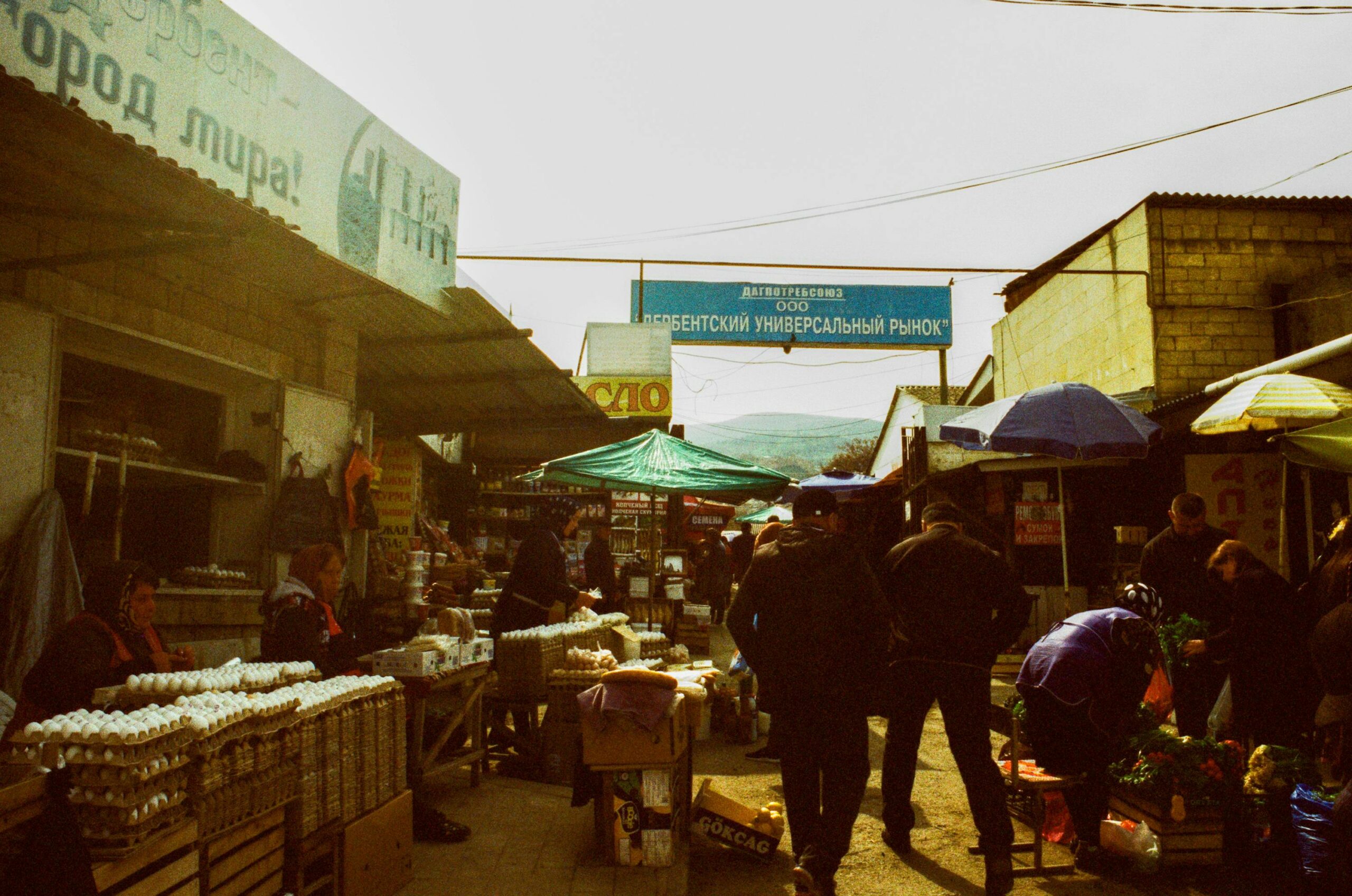
🌟 Transform Your Community Through Trading
Participating in local barter markets offers far more than an alternative shopping option—it represents a lifestyle shift toward community engagement, sustainable living, and meaningful connection. Every trade you make strengthens your local economy, reduces environmental impact, and weaves another thread in your community’s social fabric.
The beauty of bartering lies in its accessibility. You don’t need special qualifications, significant capital, or extensive preparation to begin. Simply identify something you have that others might want and something you need that others might have, then find or create opportunities to connect.
As you deepen your involvement in barter communities, you’ll likely discover unexpected benefits beyond the obvious economic and environmental advantages. New friendships, discovered talents, increased self-sufficiency, and a profound sense of belonging to something meaningful often emerge as the greatest rewards of trading life.
The resurgence of bartering represents more than nostalgic recreation of old-fashioned commerce—it’s a forward-looking movement toward more humane, sustainable, and connected ways of meeting our needs. By participating, you’re not just acquiring goods and services; you’re helping build the kind of community where everyone thrives through mutual support and genuine care for one another. The barter market near you isn’t just a place to trade—it’s where community comes alive. ✨