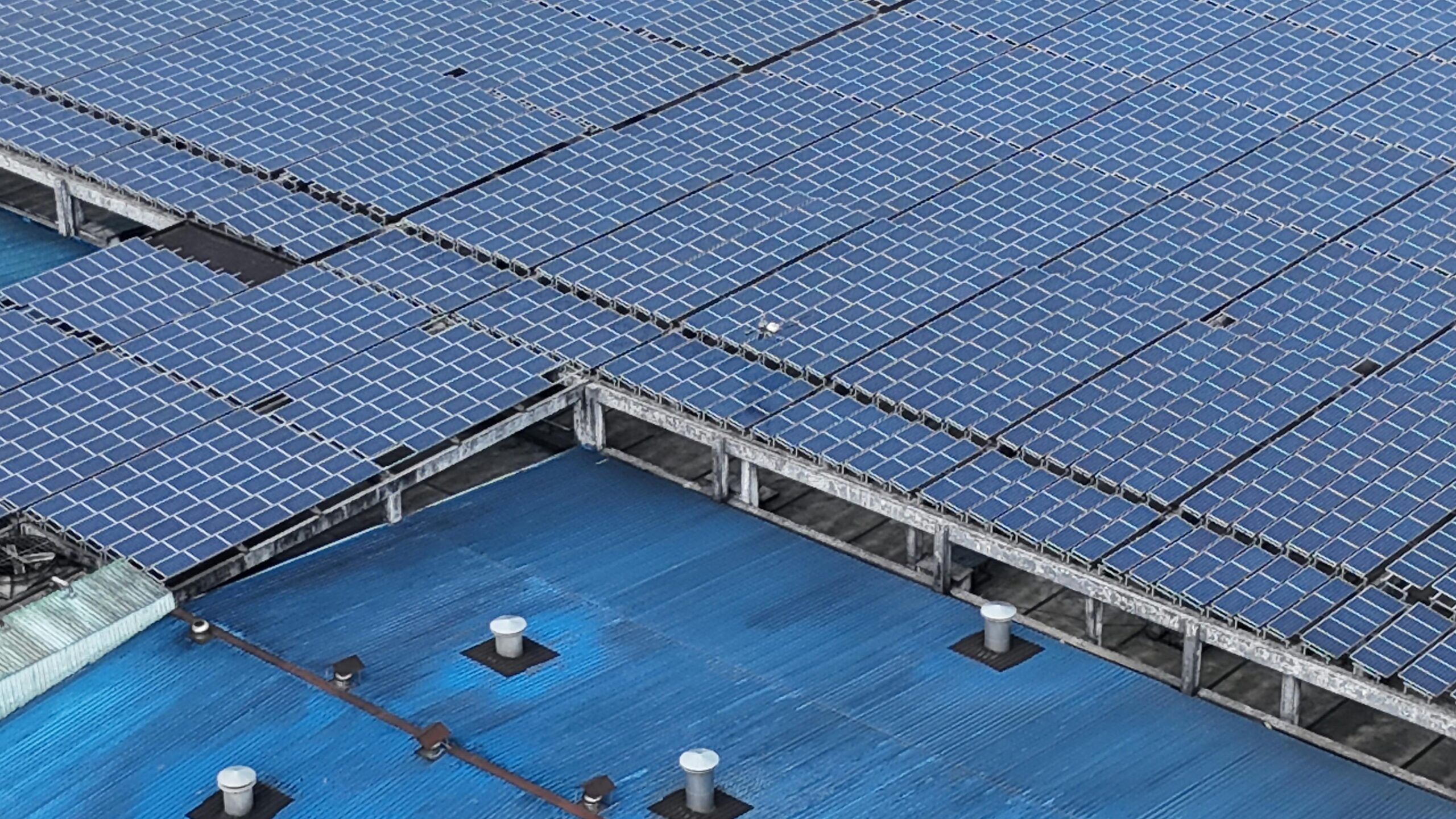
Energy waste is costing households and businesses billions annually while accelerating environmental degradation. Implementing smarter energy consumption strategies can dramatically reduce costs and carbon footprints simultaneously.

⚡ Understanding the Energy Crisis We Face Today
The global energy landscape is undergoing a profound transformation. As populations grow and technological demands increase, our energy consumption patterns have reached unprecedented levels. According to recent data, approximately 30% of all energy produced worldwide is wasted through inefficient systems, outdated infrastructure, and poor consumption habits.
This staggering waste not only strains our natural resources but also contributes significantly to greenhouse gas emissions. The urgency to maximize power efficiency while minimizing waste has never been more critical. Every kilowatt-hour saved represents both economic savings and a tangible reduction in environmental impact.
Modern energy challenges extend beyond simple conservation. They encompass smart grid technologies, renewable integration, behavioral changes, and innovative solutions that align consumption patterns with sustainable production methods. Understanding this complexity is the first step toward meaningful change.
🏠 The Hidden Energy Drains in Your Daily Life
Most people remain unaware of the silent energy vampires lurking throughout their homes and workplaces. These phantom loads occur when devices consume power even while turned off or in standby mode. Electronics, chargers, appliances, and entertainment systems collectively drain significant amounts of electricity without providing any active benefit.
Common culprits include cable boxes, game consoles, coffee makers, microwave ovens with digital displays, and laptop chargers left plugged in. Studies show that standby power can account for 5-10% of residential electricity use, translating to substantial annual costs when multiplied across millions of households.
Identifying Your Biggest Energy Consumers
Understanding where your energy goes is fundamental to optimization. The typical household allocates energy consumption across several major categories:
- Heating and cooling systems: 40-50% of total consumption
- Water heating: 14-18% of energy bills
- Appliances and electronics: 13-20% of usage
- Lighting: 6-12% depending on bulb types
- Refrigeration: 4-8% of household energy
By monitoring these categories systematically, you can pinpoint exactly where efficiency improvements will yield the greatest returns. Smart energy monitors and detailed utility analytics provide granular insights that were impossible just a decade ago.
💡 Smart Technology: Your Gateway to Energy Efficiency
The digital revolution has brought remarkable tools for energy management directly into our hands. Smart home technology enables unprecedented control over consumption patterns, allowing users to optimize energy use in real-time based on actual needs rather than habits or assumptions.
Smart thermostats learn your schedule and preferences, automatically adjusting temperatures to minimize waste without sacrificing comfort. These devices can reduce heating and cooling costs by 10-23% annually through intelligent programming and remote access capabilities.
Smart plugs and power strips provide granular control over individual devices, enabling scheduled operations and eliminating standby power drain. Integrated with smartphone applications, these tools offer visibility into consumption patterns that empower informed decision-making.
Energy Monitoring Applications Transform Awareness
Mobile applications have democratized energy monitoring, bringing professional-grade analytics to everyday consumers. These platforms connect with smart meters, solar installations, and individual appliances to provide comprehensive consumption dashboards.
Real-time feedback creates behavioral changes that static monthly bills never could. When users see immediate cost impacts of their actions, they naturally adjust behaviors toward more efficient patterns. Gamification features in modern energy apps further encourage conservation through challenges, rewards, and comparative analytics.
🌞 Renewable Energy Integration: The Ultimate Waste Minimization
Transitioning to renewable energy sources represents the most comprehensive approach to minimizing energy waste and environmental impact. Solar, wind, and other renewable technologies convert natural resources directly into electricity without the massive efficiency losses inherent in fossil fuel combustion.
Residential solar installations have reached economic viability in most markets, with payback periods now ranging from 6-12 years depending on location and incentives. Beyond economic benefits, solar energy dramatically reduces reliance on grid power during peak hours when generation is least efficient and most expensive.
Battery storage systems complement renewable installations by capturing excess production for use during high-demand periods. This technology addresses the intermittency challenge that has historically limited renewable adoption, enabling homes and businesses to achieve greater energy independence.
Community Solar: Renewable Access Without Rooftop Installation
For those unable to install personal solar arrays due to property constraints, community solar programs offer an alternative pathway to renewable energy participation. These shared installations allow multiple subscribers to benefit from clean energy production without individual capital investments or property modifications.
Participants receive credits on their utility bills proportional to their subscription share, effectively reducing costs while supporting renewable infrastructure development. This model democratizes access to solar benefits across economic and housing situations.
🏢 Commercial and Industrial Energy Optimization Strategies
Businesses face unique energy challenges with significantly higher consumption volumes and more complex operational requirements. However, these larger scales also create proportionally greater opportunities for waste reduction and efficiency gains.
Industrial energy audits identify specific improvement opportunities through systematic evaluation of equipment, processes, and operational practices. Professional auditors use thermal imaging, power quality analysis, and operational data to pinpoint inefficiencies invisible to casual observation.
Common commercial improvements include LED lighting retrofits, HVAC system upgrades, motor efficiency enhancements, and process optimization. Many of these interventions offer remarkably short payback periods, sometimes recovering investments within 12-24 months through reduced operating costs.
Demand Response Programs Cut Costs and Grid Strain
Sophisticated businesses participate in demand response programs that compensate them for reducing consumption during peak grid stress periods. These voluntary programs help stabilize electrical infrastructure while providing financial incentives to participants.
Advanced energy management systems automate demand response participation, temporarily reducing non-critical loads during peak pricing periods without disrupting essential operations. This symbiotic relationship between utilities and consumers creates system-wide efficiency improvements.
🔧 Practical Steps Anyone Can Implement Today
Transforming energy consumption doesn’t require massive investments or technical expertise. Simple behavioral changes and modest upgrades deliver immediate results that compound over time into substantial savings and environmental benefits.
Start with a comprehensive home energy assessment, either self-conducted or through professional services often subsidized by utility companies. This baseline establishes your current consumption patterns and identifies priority improvement areas.
Low-Cost, High-Impact Energy Efficiency Measures
- Replace incandescent bulbs with LED alternatives that use 75% less energy and last 25 times longer
- Install programmable thermostats to optimize heating and cooling schedules
- Seal air leaks around windows, doors, and other penetrations to reduce conditioning losses
- Upgrade to ENERGY STAR certified appliances when replacements become necessary
- Use cold water for laundry whenever possible, reducing water heating energy
- Unplug chargers and devices when not actively in use
- Maintain HVAC systems with regular filter changes and professional servicing
- Install low-flow showerheads and faucet aerators to reduce hot water consumption
These measures individually seem modest, but collectively they can reduce household energy consumption by 25-35% without sacrificing comfort or convenience. The cumulative financial savings typically exceed several hundred dollars annually for average households.
📊 Measuring Success: Tracking Your Energy Optimization Journey
Effective energy management requires continuous monitoring and periodic reassessment. Establishing clear metrics and tracking systems ensures that improvements deliver expected results and identifies new optimization opportunities as they emerge.
Modern utility companies provide increasingly detailed consumption data through online portals and mobile applications. Many offer hourly or even 15-minute interval data that reveals precise usage patterns throughout the day and across seasons.
| Metric | Measurement Frequency | Target Improvement |
|---|---|---|
| Total kWh Consumption | Monthly | 10-30% reduction year-over-year |
| Peak Demand | Monthly | 15-25% reduction |
| Energy Cost Per Square Foot | Quarterly | 20-35% decrease |
| Carbon Footprint | Annually | Progressive reduction toward net-zero |
Comparing your performance against similar households or industry benchmarks provides context for your results. Many energy programs offer comparative analytics showing how your consumption ranks among peers with similar characteristics.
🌍 The Broader Impact: How Individual Actions Create Collective Change
While personal energy optimization delivers direct financial benefits, the collective impact of widespread efficiency adoption creates transformational societal change. When millions of households and businesses reduce consumption simultaneously, the cumulative effect significantly alleviates infrastructure stress and environmental degradation.
Reduced energy demand delays or eliminates the need for new power plant construction, avoiding both the capital costs and environmental impacts of additional generation capacity. This infrastructure deferral represents billions in avoided expenses that ultimately benefit all ratepayers.
Lower overall consumption also reduces transmission losses—the energy wasted as electricity travels from generation facilities to end users. These losses currently account for approximately 5% of all generated electricity, a massive waste stream that shrinks proportionally as total demand decreases.
Building Momentum Through Community Engagement
Energy efficiency initiatives gain exponential impact through community coordination and shared commitment. Neighborhood challenges, workplace competitions, and municipal programs create social dynamics that accelerate adoption beyond what individual motivation alone achieves.
Educational workshops, shared resources, and collective purchasing arrangements reduce barriers to participation while building local expertise. Communities that embrace energy optimization collectively often achieve results 40-60% greater than the sum of individual efforts would suggest.
🚀 Emerging Technologies Shaping Tomorrow’s Energy Landscape
The energy efficiency revolution continues accelerating through technological innovations that were science fiction just years ago. Artificial intelligence now optimizes building energy systems in real-time, making microsecond adjustments that human operators could never achieve.
Advanced materials science is producing super-insulation products, next-generation solar cells with dramatically improved efficiency, and solid-state batteries that promise to revolutionize energy storage. These technologies will make future efficiency gains even more accessible and affordable.
The Internet of Things connects previously isolated systems into integrated networks where devices communicate, coordinate, and optimize collectively. Your refrigerator, water heater, electric vehicle, and HVAC system will soon negotiate optimal operating schedules autonomously, maximizing efficiency without human intervention.

💪 Taking Ownership of Your Energy Future
The pathway to smarter energy use begins with awareness, progresses through action, and culminates in transformed habits that become second nature. Every household and business possesses untapped efficiency potential waiting to be unlocked through attention and modest investment.
The financial case for energy optimization has never been stronger, with typical improvements paying for themselves multiple times over their operational lifespans. Beyond economics, the environmental imperative grows more urgent daily as climate change impacts intensify globally.
Start today with simple assessments and easy wins that build momentum. Graduate to more substantial improvements as resources permit and expertise grows. Engage family members, colleagues, and community members to multiply your impact through shared commitment and collective action.
The sustainable energy future isn’t a distant aspiration—it’s being built right now through millions of individual decisions and incremental improvements. Your participation matters profoundly, both for your personal benefit and as part of the larger transformation toward truly sustainable energy systems that maximize power delivery while minimizing waste across every dimension.
The tools, technologies, and knowledge necessary for dramatic energy efficiency improvements are readily available and increasingly affordable. What remains is simply the decision to prioritize optimization and the commitment to follow through with consistent action. The rewards—financial, environmental, and societal—justify the effort many times over, creating benefits that extend across generations and contribute to a genuinely sustainable future for all.