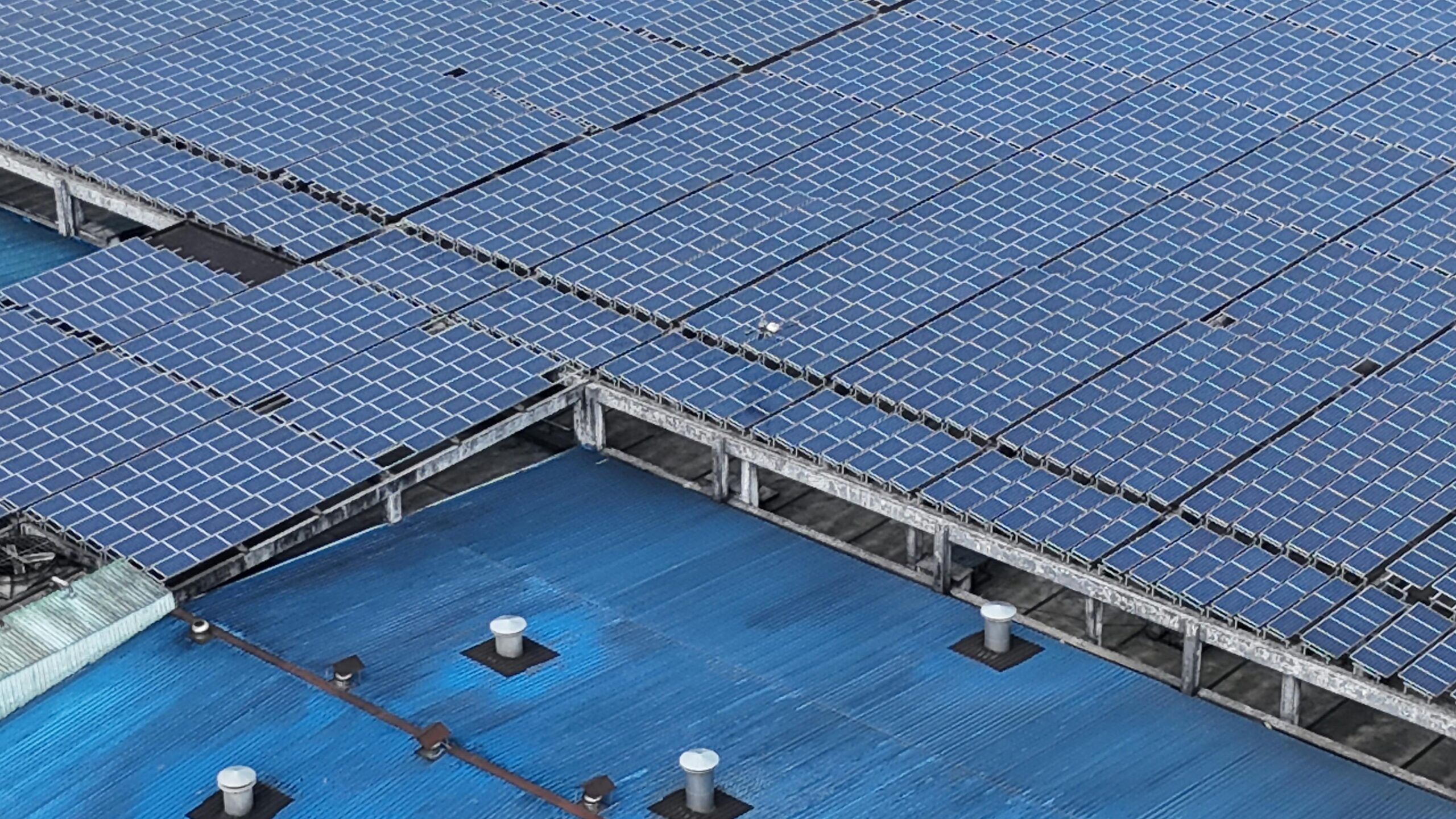
The modern world is witnessing a profound transformation in how we consume, driven by environmental awareness, technological innovation, and a collective desire for sustainable living practices that benefit both people and planet.

🌍 The Dawn of Conscious Consumption
Our relationship with consumption has evolved dramatically over the past decade. What once was a linear process of buying, using, and discarding has transformed into a complex ecosystem of choices influenced by environmental impact, social responsibility, and long-term sustainability. This shift represents more than a trend—it’s a fundamental reimagining of how we interact with resources, products, and services in our daily lives.
The statistics tell a compelling story. Recent studies indicate that over 70% of consumers across developed nations now consider environmental impact when making purchasing decisions. This behavioral change isn’t limited to niche markets or specific demographics; it’s becoming mainstream, influencing everything from fashion choices to food preferences, transportation methods to technology adoption.
Understanding Adaptive Consumption Patterns
Adaptive consumption refers to the flexible, responsive approach individuals and communities take toward resource use. Unlike traditional consumption patterns that remained relatively static regardless of environmental or social feedback, adaptive consumption is characterized by its dynamic nature—constantly evolving based on new information, technological advances, and changing circumstances.
This adaptability manifests in several key ways. Consumers today actively seek products with longer lifespans, support circular economy initiatives, embrace sharing economy platforms, and prioritize experiences over material possessions. These behaviors represent a significant departure from the disposable culture that dominated much of the 20th century.
The Psychology Behind the Shift
Understanding why people change their consumption habits requires examining the psychological factors at play. Climate anxiety, increased awareness of environmental degradation, and a growing sense of personal responsibility are powerful motivators. Younger generations, particularly Millennials and Gen Z, have demonstrated particularly strong preferences for sustainable options, often willing to pay premium prices for products aligned with their values.
Social influence also plays a crucial role. As sustainable choices become more visible and socially acceptable, they create a positive feedback loop. When individuals see peers making environmentally conscious decisions, they’re more likely to follow suit. This social contagion effect has accelerated the adoption of sustainable consumption patterns across diverse communities.
🔄 The Circular Economy Revolution
At the heart of adaptive consumption lies the circular economy—a regenerative system that minimizes waste and maximizes resource efficiency. Unlike the traditional linear economy model of “take-make-dispose,” the circular economy keeps resources in use for as long as possible, extracting maximum value before recovering and regenerating products and materials.
Companies worldwide are embracing circular business models. Fashion brands now offer rental services and take-back programs. Electronics manufacturers design products for easier repair and component recovery. Food companies are reimagining packaging to eliminate single-use plastics. These initiatives aren’t just good PR—they represent fundamental shifts in how businesses operate and generate value.
Technology as an Enabler
Digital platforms have emerged as powerful facilitators of circular consumption. Mobile applications connect people who want to share, rent, or exchange goods rather than buying new. These platforms reduce the barrier to entry for sustainable choices, making them convenient and accessible.
Blockchain technology is enhancing transparency in supply chains, allowing consumers to verify sustainability claims. Artificial intelligence optimizes resource allocation and predicts maintenance needs, extending product lifespans. The Internet of Things enables smart consumption, automatically adjusting energy use based on real-time needs and renewable energy availability.
The Rise of Minimalist Mindsets ✨
Minimalism has evolved from a design aesthetic into a comprehensive lifestyle philosophy that complements adaptive consumption. The minimalist approach isn’t about deprivation—it’s about intentionality. By focusing on quality over quantity and experiences over possessions, minimalists naturally reduce their environmental footprint while often reporting higher life satisfaction.
This movement has gained traction partly because it addresses multiple contemporary concerns simultaneously. Minimalism reduces environmental impact, decreases financial stress, and provides psychological benefits by reducing clutter and decision fatigue. It’s a holistic approach that aligns personal well-being with planetary health.
Sustainable Food Systems and Adaptive Eating
Perhaps nowhere is adaptive consumption more evident than in our food choices. The global food system accounts for approximately one-quarter of greenhouse gas emissions, making dietary shifts crucial for sustainability. Consumers are responding with remarkable flexibility and creativity.
Plant-based diets have moved from fringe to mainstream, with flexitarian approaches allowing people to reduce meat consumption without complete elimination. Local food movements connect consumers directly with producers, reducing transportation emissions and supporting regional economies. Food waste reduction has become a priority, with apps connecting consumers to surplus food from restaurants and stores at reduced prices.
Agricultural Innovation and Consumer Choice
Vertical farming, lab-grown proteins, and precision agriculture are transforming food production. These innovations aren’t just technical achievements—they represent new possibilities for adaptive consumption. Consumers increasingly seek out foods produced through sustainable methods, creating market incentives for continued innovation.
The transparency enabled by technology allows consumers to make informed choices. QR codes on packaging provide detailed information about production methods, carbon footprints, and supply chain practices. This information empowers adaptive decision-making based on personal values and priorities.
🚗 Mobility Transformation and Shared Transportation
Transportation accounts for a significant portion of individual carbon footprints, making adaptive mobility crucial for sustainable living. The past decade has witnessed remarkable changes in how people move through their environments.
Car ownership, once a symbol of personal success and freedom, is declining among younger urban dwellers. They’re choosing instead from an expanding menu of options: bike-sharing systems, electric scooters, ride-sharing services, improved public transportation, and increasingly, walking-friendly urban designs. This multimodal approach exemplifies adaptive consumption—selecting the most appropriate, efficient option for each specific journey.
Electric vehicles are transitioning from novelty to norm, with improving technology and expanding charging infrastructure addressing early adoption barriers. The environmental benefits extend beyond zero tailpipe emissions when paired with renewable energy sources. As battery technology improves and costs decrease, electric mobility becomes increasingly accessible to broader populations.
Fashion Forward: Adaptive Approaches to Clothing
The fashion industry faces intense scrutiny for its environmental and social impacts. Fast fashion’s model of rapidly changing trends and disposable clothing has proven unsustainable. In response, adaptive consumption patterns in fashion are emerging with increasing sophistication.
Clothing rental services allow people to wear diverse styles without accumulating unwanted items. Resale platforms have destigmatized secondhand shopping, making it trendy and accessible. Brands offering repair services and lifetime guarantees encourage longer product use. Innovative materials from recycled ocean plastics, agricultural waste, and lab-grown alternatives provide sustainable options without sacrificing style or quality.
The Capsule Wardrobe Movement
Capsule wardrobes—carefully curated collections of versatile, high-quality pieces—represent adaptive consumption principles applied to personal style. This approach reduces decision fatigue, decreases overall consumption, and encourages investment in durable, timeless pieces rather than trendy, disposable items.
🏠 Sustainable Housing and Adaptive Living Spaces
Our homes represent significant resource consumption through construction, heating, cooling, and ongoing maintenance. Adaptive approaches to housing are reshaping residential real estate and domestic life.
Tiny homes, co-housing communities, and adaptive reuse of existing structures challenge conventional assumptions about residential space. These alternatives often provide adequate living conditions with dramatically reduced environmental impact. Smart home technology optimizes energy use, learning occupant patterns and adjusting accordingly.
The materials used in construction are evolving toward sustainability. Cross-laminated timber offers a renewable alternative to concrete and steel. Recycled materials are being incorporated into building products. Green roofs and walls provide insulation while supporting urban biodiversity.
The Role of Policy and Regulation
Individual choices matter, but systemic change requires supportive policy frameworks. Governments worldwide are implementing regulations that facilitate adaptive consumption while discouraging unsustainable practices.
Carbon pricing mechanisms create economic incentives for low-emission choices. Extended producer responsibility laws require manufacturers to manage products at end-of-life, encouraging design for recyclability. Bans on single-use plastics eliminate unsustainable options, making sustainable choices the default rather than the alternative.
Progressive policies don’t just regulate—they enable. Investments in public transportation infrastructure make car-free living practical. Subsidies for renewable energy and energy-efficient appliances reduce the cost premium of sustainable choices. Urban planning that prioritizes walkability and bike infrastructure supports sustainable mobility.
💡 Overcoming Barriers to Adaptive Consumption
Despite growing awareness and willingness, barriers to sustainable consumption persist. Cost remains a significant factor—sustainable options often carry price premiums that limit accessibility for lower-income populations. Convenience is another challenge; unsustainable options frequently offer greater ease and availability.
Addressing these barriers requires multifaceted approaches. Economies of scale as sustainable markets grow help reduce costs. Innovation focuses not just on sustainability but on user experience, making green choices convenient. Education initiatives help people understand the long-term economic benefits of sustainable choices, such as lower operating costs and greater durability.
The Information Challenge
Greenwashing—when companies make misleading environmental claims—undermines consumer trust and complicates decision-making. Third-party certifications, transparent reporting standards, and regulatory enforcement are essential for maintaining credibility in sustainable markets.
Building Community Through Sustainable Practices
Adaptive consumption isn’t just an individual endeavor—it’s inherently social. Community gardens, tool libraries, repair cafés, and swap events create spaces where people connect while reducing consumption. These initiatives build social capital while advancing environmental goals.
Local sustainability networks provide support, information sharing, and collective action opportunities. They help normalize sustainable behaviors and create accountability structures that support lasting change. The social dimension transforms sustainability from obligation into opportunity for meaningful connection.
🌱 Looking Ahead: The Future of Adaptive Consumption
The trajectory of adaptive consumption points toward increasingly sophisticated, personalized, and effective approaches to sustainable living. Emerging technologies will enable even greater precision in matching consumption to actual needs while minimizing waste.
Artificial intelligence will provide personalized sustainability recommendations based on individual circumstances, preferences, and values. Biotechnology will create new materials and production methods with minimal environmental impact. Decentralized energy systems will allow communities to generate and share renewable power efficiently.
The younger generations entering adulthood with sustainability as a core value will drive continued innovation and adoption. As these digital natives become dominant economic actors, their preferences will shape markets and industries fundamentally.
Making the Transition: Practical Steps Forward
Embracing adaptive consumption doesn’t require perfection—it requires intention and continuous improvement. Starting with small changes in high-impact areas builds momentum and confidence. Assessing your current consumption patterns identifies opportunities for meaningful change.
Focus on systems rather than individual decisions. Establishing routines and defaults that favor sustainability reduces the need for constant decision-making. Bring reusable bags, choose durable products, select plant-based meals regularly, use public transportation when possible—these become habits rather than effortful choices.
Connect with communities of like-minded individuals for support, inspiration, and practical resources. Share successes and challenges. Celebrate progress while acknowledging that sustainable living is a journey, not a destination.

The Collective Impact of Individual Choices 🌍
While individual consumption changes matter, their greatest power lies in collective impact. When millions of people make adaptive consumption choices, markets respond, businesses adapt, and policies change. Consumer demand has driven remarkable growth in renewable energy, plant-based foods, electric vehicles, and countless other sustainable innovations.
This collective power extends beyond direct environmental impact. Visible sustainable choices influence social norms, making these behaviors more acceptable and desirable. They signal to businesses and policymakers that sustainability matters to constituents and customers. They demonstrate that another way of living is possible—and desirable.
The future of sustainable living depends on our collective willingness to adapt our consumption patterns to planetary realities. The encouraging news is that this transition is already underway, driven by millions of individuals, innovative businesses, and forward-thinking policymakers. By embracing change and adopting adaptive consumption patterns, we’re not just reducing environmental harm—we’re building a more resilient, equitable, and fulfilling way of life for current and future generations.