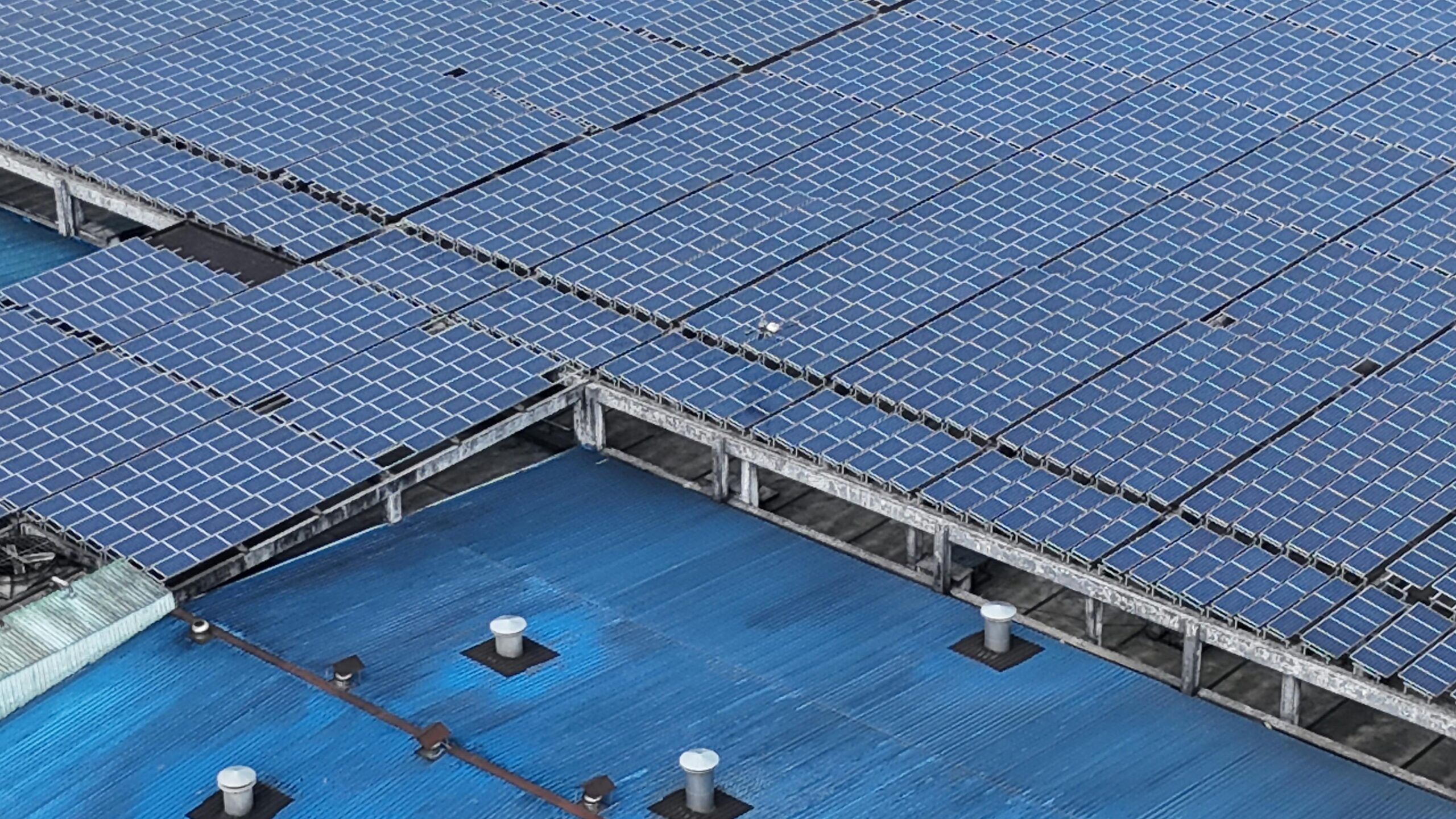
Our planet is calling for urgent action, and smart waste reduction strategies hold the key to creating a sustainable, thriving future for generations to come.

The global waste crisis has reached unprecedented levels, with millions of tons of garbage accumulating in landfills, oceans, and ecosystems every single day. As urban populations grow and consumption patterns intensify, the environmental impact of our waste has become impossible to ignore. However, innovative approaches to waste management combined with conscious behavioral changes are proving that we can reverse this trend and build a cleaner, greener world.
The concept of waste reduction goes far beyond simply throwing fewer items in the trash. It represents a fundamental shift in how we produce, consume, and dispose of materials throughout their entire lifecycle. By implementing intelligent strategies at individual, community, and industrial levels, we can dramatically minimize our environmental footprint while simultaneously creating economic opportunities and improving quality of life.
🌍 Understanding the True Cost of Waste
Before diving into solutions, it’s essential to grasp the magnitude of our current waste problem. The average person generates approximately 4.5 pounds of waste daily, translating to over 1,600 pounds annually. When multiplied across billions of people globally, these numbers become staggering. This waste doesn’t simply disappear—it contaminates soil, pollutes waterways, releases greenhouse gases, and destroys natural habitats.
The environmental consequences extend beyond visible pollution. Landfills produce methane, a greenhouse gas 25 times more potent than carbon dioxide. Plastic waste breaks down into microplastics that infiltrate food chains, affecting wildlife and human health. The production of goods that eventually become waste consumes enormous amounts of energy, water, and raw materials, further straining our planet’s limited resources.
Economic costs are equally substantial. Municipalities spend billions annually on waste collection, transportation, and disposal. These funds could be redirected toward education, healthcare, or infrastructure if we reduced waste at its source. Additionally, wasted materials represent wasted money for consumers who purchase items they don’t fully utilize or that have unnecessarily short lifespans.
♻️ The Zero Waste Philosophy: A Guiding Framework
The zero waste movement provides a comprehensive framework for reimagining our relationship with materials and consumption. While achieving absolute zero waste remains challenging, the philosophy encourages us to design systems where resources circulate continuously rather than following a linear path from production to disposal.
This approach prioritizes the famous five R’s: Refuse, Reduce, Reuse, Recycle, and Rot (compost). Refusing unnecessary items prevents waste before it enters our homes. Reducing consumption means making conscious choices about what we truly need. Reusing extends product lifespans through repair and repurposing. Recycling transforms materials into new products. Composting returns organic matter to the soil, completing natural cycles.
Adopting a zero waste mindset requires examining every purchase decision through a sustainability lens. Before buying anything, ask yourself: Do I genuinely need this? Can I borrow, rent, or buy it secondhand? What will happen to this item when I’m finished with it? These simple questions can dramatically reduce unnecessary consumption and waste generation.
🏠 Smart Strategies for Household Waste Reduction
Transforming your home into a low-waste haven doesn’t require drastic lifestyle changes. Small, consistent actions accumulate into significant environmental benefits over time. Start by conducting a waste audit to understand what you’re actually throwing away. Track your trash for one week, categorizing items to identify patterns and opportunities for improvement.
Kitchen and Food Waste Solutions
The kitchen typically generates the most household waste, but it also offers the greatest potential for reduction. Food waste alone accounts for approximately 30-40% of the food supply in many developed nations. Planning meals carefully, storing food properly, and using leftovers creatively can dramatically decrease this waste while saving money.
Composting transforms organic waste into nutrient-rich soil amendment, diverting tons of material from landfills. Whether you have a backyard bin, use a countertop composter, or participate in municipal composting programs, this practice closes the loop on food scraps, yard trimmings, and other biodegradable materials. Even apartment dwellers can compost using vermiculture (worm composting) systems that fit under sinks.
Eliminating single-use plastics from food storage represents another powerful strategy. Replace plastic wrap with beeswax wraps, store leftovers in glass containers, and choose reusable produce bags when shopping. These swaps reduce plastic pollution while often proving more economical in the long term.
Bathroom and Personal Care Innovations
Personal care products frequently come packaged in non-recyclable plastics and contain ingredients harmful to waterways. Switching to package-free alternatives like bar shampoo, solid deodorant, and bamboo toothbrushes significantly reduces bathroom waste. Many brands now offer refillable options for products that traditionally came in single-use containers.
Menstrual products represent a significant source of waste, with disposable options generating substantial environmental impact over a lifetime. Reusable alternatives like menstrual cups, period underwear, and cloth pads offer sustainable solutions that also reduce exposure to potentially harmful chemicals.
🛍️ Conscious Consumption and Shopping Strategies
The most effective waste reduction happens before items enter our possession. Conscious consumption means being intentional about purchases, prioritizing quality over quantity, and supporting businesses committed to sustainability. This mindset shift transforms shopping from mindless acquisition to purposeful selection.
Buying secondhand extends product lifespans and reduces demand for new manufacturing. Thrift stores, consignment shops, online marketplaces, and community swap events provide abundant options for clothing, furniture, electronics, and household items. Vintage and pre-owned goods often feature superior craftsmanship compared to modern fast-fashion alternatives.
When new purchases are necessary, research companies’ environmental practices and choose products designed for durability and repairability. Support businesses using minimal packaging, sustainable materials, and ethical production methods. Vote with your dollars to encourage more companies to adopt environmentally responsible practices.
Packaging represents a major waste concern, particularly for online shopping. Whenever possible, shop locally to reduce shipping materials. Choose retailers offering minimal or compostable packaging, and provide feedback requesting sustainable packaging alternatives. Many companies respond to consumer demand when expressed clearly and consistently.
🏢 Workplace Waste Reduction Initiatives
Offices and commercial spaces generate enormous waste volumes, but they also present opportunities for collective impact. Implementing workplace sustainability programs creates positive environmental change while often improving employee morale and company reputation.
Start by eliminating single-use items in break rooms and common areas. Replace disposable cups, plates, and utensils with reusable alternatives. Provide water filtration systems instead of bottled water. Establish clearly labeled recycling and composting stations with educational signage to prevent contamination.
Digital documentation reduces paper consumption dramatically. Encourage double-sided printing when documents are necessary, and establish paper recycling programs. Many offices have transitioned to nearly paperless operations, saving money while reducing environmental impact.
Engage employees in sustainability efforts through challenges, incentive programs, and regular communication about achievements. When team members feel invested in waste reduction goals, they become ambassadors for change both at work and in their personal lives.
🌱 Community-Level Solutions and Collaboration
Individual actions matter, but collective efforts multiply impact exponentially. Community initiatives create infrastructure and social norms that make sustainable choices easier and more accessible for everyone. Getting involved in local sustainability programs strengthens both environmental outcomes and social connections.
Community gardens and food-sharing programs address food waste while improving food security. These spaces transform unused land into productive ecosystems, provide fresh produce, and create gathering places that strengthen neighborhood bonds. Gleaning programs rescue surplus crops from farms, preventing waste while feeding those in need.
Tool libraries and sharing economies reduce consumption by maximizing utilization of items used infrequently. Why should every household own a power drill used once per year when neighbors could share? These collaborative consumption models reduce manufacturing demand, save money, and build community resilience.
Advocating for improved municipal waste management policies creates systemic change. Push for comprehensive recycling programs, municipal composting services, and regulations reducing unnecessary packaging. Attend local government meetings, support progressive candidates, and collaborate with environmental organizations to amplify your voice.
💡 Technology and Innovation in Waste Management
Technological advances are revolutionizing how we handle waste, offering solutions that seemed impossible just years ago. Smart technologies help track waste streams, optimize collection routes, and improve sorting accuracy. These innovations increase efficiency while reducing environmental impact and operational costs.
Artificial intelligence and robotics enhance recycling facility operations, identifying and sorting materials with greater accuracy than manual processes. This technology reduces contamination rates, increases recovery of valuable materials, and makes recycling economically viable for more material types.
Mobile applications connect consumers with sustainability resources, making eco-friendly choices more convenient. Apps help locate recycling facilities, identify product packaging materials, track personal waste reduction progress, and connect users with sharing economy platforms. Technology bridges the gap between intention and action, making sustainable living more accessible.
🔄 Circular Economy: Redesigning Production Systems
The circular economy represents a fundamental reimagining of production and consumption systems. Rather than the traditional linear model of take-make-dispose, circular systems design products for longevity, repairability, and eventual reintegration into production cycles. This approach eliminates the concept of waste entirely, treating discarded materials as valuable resources.
Product design plays a crucial role in circularity. Items should be easy to repair, upgrade, and disassemble for material recovery. Modular designs allow replacing specific components rather than entire products. Using mono-materials or easily separable material combinations facilitates recycling at end-of-life.
Extended producer responsibility policies hold manufacturers accountable for products throughout their entire lifecycle, including disposal. These regulations incentivize companies to design more sustainable products and establish take-back programs. As consumers, supporting brands embracing circular principles encourages broader industry transformation.
🌟 Building Lasting Sustainable Habits
Knowledge means nothing without action, and action doesn’t create lasting change without habit formation. Building sustainable routines requires patience, self-compassion, and strategic approaches that set you up for success rather than burnout.
Start small with one or two changes that feel manageable, then gradually expand your efforts as new behaviors become automatic. Trying to overhaul every aspect of life simultaneously often leads to overwhelm and abandonment of all changes. Sustainable living is a journey, not a destination, and imperfect action outweighs perfect inaction.
Track your progress to maintain motivation and celebrate milestones. Whether measuring pounds of trash diverted, money saved, or specific habit streaks, visible progress reinforces positive behaviors. Share your journey with others to create accountability and inspire friends, family, and social networks.
Prepare for setbacks without judgment. Life circumstances change, unexpected challenges arise, and perfect consistency isn’t realistic. When you slip back into old patterns, simply acknowledge it and return to your sustainable practices without guilt or self-criticism. Every small action contributes to positive change.

🚀 Creating Momentum for a Waste-Free Future
The path to sustainability requires commitment from individuals, businesses, and governments working in concert. While the challenges seem daunting, unprecedented awareness and innovative solutions provide genuine hope for transformative change. Every person who commits to waste reduction creates ripple effects that extend far beyond their immediate actions.
Education remains foundational to lasting change. Share knowledge with children, teaching them sustainable practices that will seem normal rather than alternative. Support environmental education programs in schools and communities. The more people understand the impacts of waste and the availability of solutions, the faster cultural norms shift toward sustainability.
Remember that corporations and governments respond to consumer demand and voter priorities. Every sustainable purchase, every letter to elected officials, and every conversation about environmental issues contributes to shifting priorities at higher levels. Systemic change requires pressure from engaged citizens who refuse to accept the status quo.
The waste crisis didn’t develop overnight, and solving it requires sustained commitment over years and decades. However, each day brings new innovations, growing awareness, and expanding communities of people dedicated to creating a cleaner, greener future. Your participation in this movement matters profoundly, contributing to the collective force necessary for genuine transformation.
By implementing smart waste reduction strategies today, we invest in a thriving planet for tomorrow. The future remains unwritten, and our choices determine whether we leave behind mountains of garbage or legacies of restoration and sustainability. The time for action is now, and the power to create change rests in our hands—and in our daily decisions about consumption, disposal, and our relationship with the natural world. Together, we can revolutionize sustainability and build the greener, cleaner future we all deserve. 🌎