
In a world that constantly pushes us to accumulate more, the revolutionary act of choosing less can unlock unprecedented freedom, joy, and peace in your everyday life.

The modern lifestyle has become synonymous with excess—bigger homes filled with unused possessions, overflowing closets, packed schedules, and mounting financial obligations. Yet despite having more than any previous generation, satisfaction and contentment remain elusive for many. The paradox is striking: the more we own, the more we feel owned by our possessions.
Downsizing your lifestyle isn’t about deprivation or sacrifice. It’s about intentionally choosing what adds value to your life while releasing what weighs you down. This transformative approach creates space—physical, mental, and emotional—for what truly matters. Whether you’re drowning in clutter, overwhelmed by commitments, or simply seeking a more meaningful existence, embracing a downsized lifestyle offers a pathway to genuine fulfillment.
🌟 The Hidden Costs of Living Large
Before exploring the benefits of downsizing, it’s essential to understand what our supersized lifestyles actually cost us. These expenses extend far beyond monthly mortgage payments or credit card bills.
Large living spaces demand constant maintenance, cleaning, heating, cooling, and furnishing. The average American spends over 40% of their income on housing alone, creating financial stress that permeates every aspect of life. Beyond monetary costs, spacious homes require significant time investments—time that could be spent on relationships, hobbies, or simply relaxing.
Possessions themselves carry invisible burdens. Every item you own requires mental energy: deciding where to store it, remembering you have it, maintaining it, and eventually disposing of it. Research shows that clutter significantly increases cortisol levels and contributes to chronic stress, anxiety, and even depression.
The environmental impact deserves consideration too. Larger homes consume more resources, generate more waste, and leave bigger carbon footprints. Our consumption patterns contribute directly to environmental degradation, climate change, and resource depletion—costs our children will inherit.
💰 Financial Liberation Through Intentional Reduction
Perhaps the most immediate benefit of downsizing is financial freedom. Reducing your housing costs alone can revolutionize your financial situation overnight.
Moving from a large home to a smaller space can slash your housing expenses by 30-50%. This reduction cascades into savings across utilities, insurance, property taxes, and maintenance costs. For many, downsizing eliminates mortgage debt entirely, removing the single largest financial obligation most people carry.
With reduced expenses comes increased savings potential. That extra money can fund emergency reserves, retirement accounts, children’s education, or dream experiences. Financial security replaces financial anxiety, and the freedom to make choices based on values rather than financial necessity becomes possible.
Downsizing also reduces the temptation to fill empty spaces with unnecessary purchases. Smaller living areas naturally limit consumption, breaking the cycle of buying, storing, and managing endless possessions. This shift from mindless consumption to intentional acquisition fundamentally transforms your relationship with money and material goods.
🧘 Mental Clarity and Emotional Well-being
The psychological benefits of downsizing often surprise people with their intensity and immediacy. A simplified environment creates mental spaciousness that many haven’t experienced in years.
Clutter bombards your brain with excessive stimuli, constantly signaling that work remains unfinished. This visual noise drains cognitive resources and reduces your ability to focus. Studies from Princeton University demonstrate that physical clutter negatively impacts your ability to concentrate and process information.
By reducing possessions and simplifying spaces, you create environments that support rather than sabotage mental clarity. Decision fatigue decreases when you own fewer things. Morning routines become effortless with minimal clothing choices. Cleaning takes minutes instead of hours. The cumulative effect is profound: more energy, better focus, and enhanced creativity.
Emotionally, letting go of excess possessions can be deeply therapeutic. Many items we keep represent obligations, guilt, or past versions of ourselves we’ve outgrown. Releasing these physical anchors allows psychological release as well, making space for who you’re becoming rather than who you were.
⏰ Time Abundance: Your Most Valuable Resource
If money can be earned again, time cannot. Downsizing your lifestyle literally gives you back hours, days, and years of your finite existence.
Consider the time spent maintaining a large home: cleaning rooms you barely use, organizing closets stuffed with forgotten items, maintaining yards that serve primarily as visual buffers from neighbors. These activities consume countless hours annually—hours you’ll never reclaim.
Smaller spaces require dramatically less maintenance. What once took an entire Saturday to clean can be accomplished in an hour. Yard work disappears or shrinks to manageable proportions. Home repairs become less frequent and less expensive.
Beyond maintenance, downsizing reduces time spent shopping, organizing, and managing possessions. The average person spends over a year of their life looking for misplaced items. With fewer possessions thoughtfully organized, that time becomes available for genuinely fulfilling activities.
This recovered time enables deeper connections with loved ones, pursuit of passions, rest, adventure, or simply being present. Time abundance transforms from fantasy to reality through intentional downsizing.
🌍 Environmental Responsibility and Sustainable Living
Downsizing represents one of the most impactful personal choices for environmental sustainability. Our consumption patterns directly determine our ecological footprint, and reducing that consumption benefits the planet immediately.
Smaller homes require less energy for heating, cooling, and lighting. They use fewer building materials and occupy less land. The environmental savings multiply across every utility bill and maintenance activity.
Owning fewer possessions means producing less waste. The manufacturing, transportation, and disposal of consumer goods generates enormous environmental costs. By purchasing less, you reduce demand for resource-intensive production processes and minimize waste sent to landfills.
This lifestyle also promotes mindful consumption. When space is limited, every purchase requires consideration: Do I truly need this? Where will it go? What value does it add? This intentionality naturally aligns personal choices with environmental responsibility.
For those concerned about climate change and environmental degradation, downsizing offers concrete action beyond recycling or using reusable bags. It’s a fundamental shift toward sustainable living that creates measurable positive impact.
🏠 Practical Strategies for Downsizing Successfully
The journey toward a downsized lifestyle requires strategy, patience, and self-compassion. These practical approaches can smooth the transition and increase your likelihood of long-term success.
Start Small and Build Momentum
Don’t attempt to downsize your entire life overnight. Begin with a single drawer, closet, or room. Experience the lightness that comes from clearing space before tackling larger areas. Small victories build confidence and momentum for bigger changes.
Set specific, manageable goals: “I’ll reduce my wardrobe by 30% this month” rather than “I’ll become a minimalist.” Concrete targets provide direction without overwhelming you.
Establish Clear Decision-Making Criteria
Create guidelines for what stays and what goes. Useful criteria include: Have I used this in the past year? Does it serve a current purpose? Does it bring genuine joy? Would I purchase it again today? Does it align with my current values and lifestyle?
Be honest with yourself. That expensive kitchen gadget gathering dust doesn’t become more valuable by keeping it. The sunk cost fallacy keeps many people surrounded by unused possessions.
Address Emotional Attachments Thoughtfully
Some possessions carry genuine sentimental value, and that’s okay. Photograph items before releasing them to preserve memories without preserving clutter. Keep a small selection of truly meaningful items and let go of things you’re keeping from obligation or guilt.
Remember: memories exist in your heart and mind, not in objects. Releasing an item doesn’t erase the experience or relationship it represents.
Consider Digital Organization Tools
Technology can support your downsizing journey through inventory management, donation tracking, and organization systems. Apps designed for decluttering help maintain motivation and track progress throughout the process.
🚀 Downsizing Different Life Areas Beyond Physical Space
True lifestyle downsizing extends beyond possessions and square footage. Applying these principles across all life dimensions multiplies the benefits exponentially.
Digital Downsizing
Digital clutter creates stress just like physical clutter. Thousands of unread emails, countless apps you never use, endless photos and files—all contribute to mental overwhelm. Regularly declutter your digital spaces: unsubscribe from newsletters you don’t read, delete unused apps, organize files systematically, and curate your social media feeds intentionally.
Schedule Simplification
An overpacked calendar creates constant stress and prevents presence. Evaluate commitments honestly: Which activities align with your values? Which drain energy without providing corresponding benefits? Give yourself permission to say no, create buffer time between obligations, and protect space for rest and spontaneity.
Relationship Boundaries
Not all relationships serve your well-being. While this sounds harsh, maintaining connections that consistently drain, devalue, or damage you isn’t sustainable. Downsizing can mean setting boundaries with toxic people, reducing contact with energy vampires, and investing more deeply in relationships that genuinely matter.
Information Consumption
We’re drowning in information—news, social media, entertainment options, podcasts, articles. This constant input fragments attention and increases anxiety. Downsize your information diet: limit news consumption, curate social media deliberately, choose quality over quantity in entertainment, and protect time for boredom and reflection.
✨ The Joy Factor: What You Gain by Choosing Less
Downsizing isn’t ultimately about what you give up—it’s about what you gain. The benefits extend far beyond practical advantages into genuine life transformation.
With fewer possessions competing for attention, you develop deeper appreciation for what remains. That favorite coffee mug becomes a daily pleasure rather than one option among dozens. Limited clothing choices become signature style rather than decision fatigue.
Experiences replace possessions as primary sources of satisfaction. With reduced expenses and freed time, opportunities for travel, learning, creativity, and adventure expand dramatically. Research consistently shows that experiences provide greater lasting happiness than material goods.
Relationships deepen when freed from the distractions of constant maintenance and consumption. Dinner conversations happen at cleared tables rather than surrounded by clutter. Time with friends involves genuine connection rather than rushed obligations squeezed between commitments.
Perhaps most significantly, downsizing creates space for self-discovery. Who are you beneath the roles, possessions, and obligations? What truly matters when stripped of societal expectations? These questions become answerable when noise diminishes and space expands.
🎯 Maintaining Your Downsized Lifestyle Long-Term
Successfully downsizing is one thing; maintaining that simplified life requires ongoing intentionality. Without active protection, complexity creeps back gradually until you’re surrounded by excess once again.
Establish a “one in, one out” rule: for every new item entering your life, something leaves. This simple guideline prevents accumulation while allowing flexibility for genuine needs and joys.
Schedule regular reviews—quarterly or semi-annually—to reassess possessions, commitments, and priorities. Life changes, and your downsized lifestyle should evolve accordingly rather than becoming rigid dogma.
Stay connected to your why. Remember the freedom, peace, and joy that motivated your downsizing journey. When tempted by sales, trends, or social pressure, reconnect with those core values.
Build community with like-minded people. Surrounding yourself with others who value simplicity reinforces your choices and provides support when consumer culture feels overwhelming.
🌈 Your Invitation to Greater Freedom
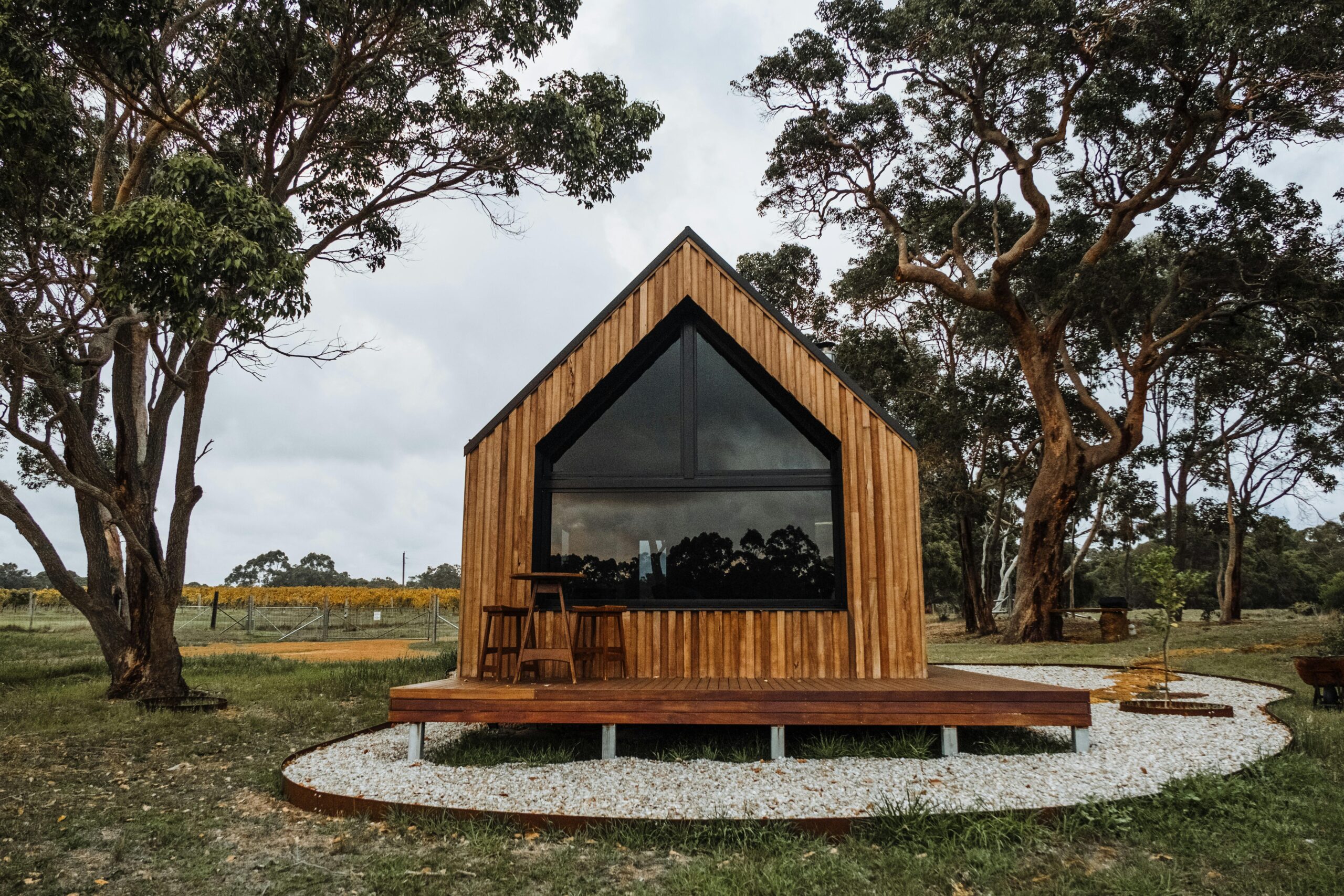
The invitation to downsize your lifestyle isn’t about judgment or perfectionism. You don’t need to become an extreme minimalist or live in a tiny house to experience the benefits of intentional simplification.
Start where you are with what you have. Every item released, every commitment reconsidered, every intentional choice moves you toward greater freedom and authentic joy. The journey itself teaches valuable lessons about identity, values, and what constitutes a meaningful life.
In a culture obsessed with more, choosing less represents radical self-care and profound wisdom. You’re not missing out—you’re opting into something infinitely more valuable: a life aligned with your deepest values, freed from excess, and open to genuine fulfillment.
The freedom and joy waiting on the other side of downsizing aren’t hypothetical—they’re real, achievable, and closer than you think. Your journey toward embracing more with less begins with a single step, a single item, a single choice. What will yours be?