Mastering seasonal consumption planning transforms your household budget from chaotic to controlled, empowering you to anticipate expenses, eliminate waste, and build sustainable financial habits throughout every season.

🌍 Why Seasonal Consumption Planning Changes Everything
The rhythm of seasons dictates more than just weather patterns—it fundamentally shapes what we buy, how much we spend, and the resources we consume. From heating bills in winter to cooling costs in summer, from holiday shopping sprees to back-to-school expenses, our consumption patterns follow predictable cycles that most people never consciously acknowledge.
Understanding these patterns represents the difference between reactive spending and strategic resource management. When you align your purchasing decisions with seasonal availability, market cycles, and predictable demand fluctuations, you unlock savings opportunities that remain invisible to the average consumer. This isn’t about extreme frugality or sacrifice—it’s about intelligent timing and thoughtful planning that maximizes value while minimizing unnecessary expenditure.
Research consistently shows that households practicing intentional seasonal planning save between 20-35% annually compared to those making purchases spontaneously. These savings compound over years, creating substantial financial cushions that provide security and flexibility for life’s bigger goals.
📊 Understanding Your Personal Consumption Cycles
Before implementing any strategy, you must first understand your unique consumption patterns. Every household operates differently based on family size, geographic location, lifestyle preferences, and personal priorities. The foundation of effective seasonal planning begins with honest assessment of where your money actually goes.
Start by reviewing twelve months of expenses across all categories. Look specifically for seasonal spikes—those months where spending dramatically increases. Common patterns include:
- Energy consumption peaks during extreme weather months
- Food expenses rising during holiday periods and social gatherings
- Clothing purchases concentrated in transitional seasons
- Entertainment spending increasing during vacation periods
- Maintenance and repair costs clustering in specific seasons
This baseline understanding creates your personal consumption map—a visual representation of when resources flow out of your household and why. With this knowledge, you can begin anticipating rather than reacting, planning rather than scrambling, and choosing rather than defaulting.
🍎 Strategic Food Planning Across the Seasons
Food represents one of the most significant and controllable areas for seasonal optimization. The industrial food system has trained consumers to expect year-round availability of all products, but this convenience comes at premium pricing and reduced quality for out-of-season items.
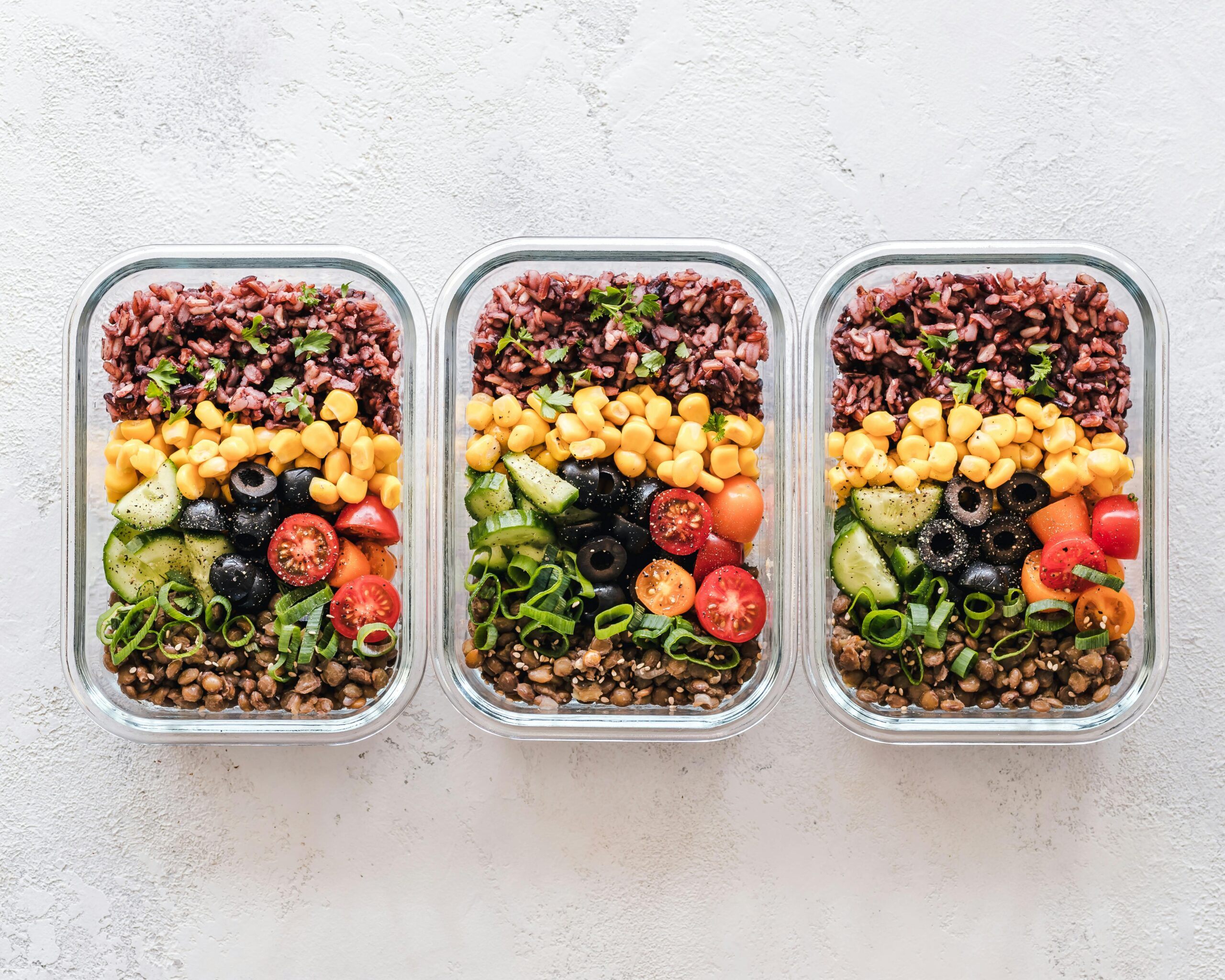
Embracing seasonal eating delivers triple benefits: lower costs, superior nutrition, and enhanced flavor. Spring brings affordable leafy greens and asparagus. Summer floods markets with berries, tomatoes, and stone fruits. Autumn delivers squash, apples, and root vegetables. Winter favors citrus, cruciferous vegetables, and storage crops.
Build your meal planning around these natural cycles. When produce reaches peak season, prices drop dramatically—sometimes by 50-70% compared to off-season pricing. This is when you should consume abundantly and preserve aggressively through freezing, canning, dehydrating, or fermenting.
Create a seasonal buying calendar that identifies the optimal purchase windows for your most-consumed items. Meat prices follow patterns too, with turkey cheapest around Thanksgiving, ham during Easter and Christmas, and ground beef often discounted during grilling season. Stock your freezer when prices bottom out rather than buying week-to-week at variable rates.
Building a Seasonal Pantry Strategy
Your pantry should function as a strategic reserve that capitalizes on seasonal pricing. When staples go on sale during their peak production periods, purchase quantities sufficient to last until the next cycle. Properly stored, most dry goods, canned items, and frozen foods maintain quality for 6-12 months or longer.
This approach requires upfront investment but delivers sustained savings. A well-stocked pantry also provides resilience against supply disruptions, unexpected financial challenges, and time constraints that might otherwise force expensive convenience purchases.
⚡ Energy Consumption: The Seasonal Cost Rollercoaster
Energy expenses represent significant seasonal volatility for most households. Understanding and actively managing this category generates substantial savings while improving comfort and environmental impact.
Begin with weatherization appropriate to your climate. Before heating season, seal air leaks, add insulation where deficient, service your heating system, and reverse ceiling fans to circulate warm air downward. Before cooling season, clean air conditioning units, install reflective window treatments, ensure adequate attic ventilation, and trim vegetation that blocks airflow.
Adjust your thermostat seasonally rather than maintaining constant settings year-round. Each degree of adjustment typically saves 1-3% on heating and cooling costs. Programmable or smart thermostats automate these adjustments, reducing consumption during sleeping hours and times when the home is empty.
Consider seasonal rate structures offered by many utilities. Time-of-use rates charge differently based on demand periods. Shifting energy-intensive activities like laundry, dishwashing, and electric vehicle charging to off-peak hours can reduce electricity costs by 20-40% in areas with such programs.
👔 Clothing and Seasonal Wardrobe Management
The fashion industry has engineered consumption patterns that encourage continuous purchasing regardless of actual need. Seasonal wardrobe planning counters this manipulation while ensuring you’re appropriately dressed throughout the year.
The fundamental principle: buy next season’s clothing at the end of current season. Winter coats cost 60-80% less in March than November. Summer clothing gets drastically marked down in September. Retailers must clear seasonal inventory to make room for incoming merchandise, creating predictable discount cycles.
Maintain a clothing inventory noting what you actually wear, what needs replacement, and what gaps exist in your wardrobe. When clearance season arrives, shop strategically for identified needs rather than impulse browsing. This discipline prevents closet clutter while ensuring genuine requirements get met at minimal cost.
Quality investment pieces purchased on clearance provide better long-term value than trendy fast-fashion items bought at full price. A well-made coat purchased for 70% off will outlast and outperform three cheap alternatives bought impulsively across subsequent years.
🎄 Holiday and Special Event Planning
Holidays and special events create predictable spending spikes that devastate budgets when approached reactively. The antidote is year-round planning that distributes costs across all twelve months rather than concentrating them in specific weeks.
Establish a holiday sinking fund where you deposit consistent monthly amounts earmarked for seasonal celebrations. If you typically spend $1,200 during December holidays, depositing $100 monthly eliminates the financial shock and debt accumulation that plagues most families.
Purchase gifts throughout the year when you encounter appropriate items at favorable prices. Maintain a gift closet stocked with versatile presents suitable for various occasions. This eliminates last-minute panic buying at inflated prices while allowing you to capitalize on clearance opportunities whenever they arise.
For consumable holiday items like decorations, wrapping materials, and greeting cards, shop post-season clearances. Valentine’s Day items get marked down 75-90% on February 15th. Halloween supplies nearly disappear from shelves at deep discounts on November 1st. Christmas inventory gets slashed in late December and early January.
🚗 Seasonal Maintenance and Major Purchases
Many maintenance requirements and major purchases follow seasonal patterns that smart consumers exploit for maximum value. Car repairs, home improvements, and appliance purchases all have optimal timing windows.
Vehicle maintenance should follow a seasonal checklist. Before winter, check battery health, tire condition and pressure, antifreeze levels, and wiper effectiveness. Before summer, verify air conditioning function, coolant system integrity, and tire condition for vacation travel. Scheduling preventive maintenance before seasonal demands prevents costly emergency repairs.
Major appliance purchases follow annual cycles tied to new model releases. Washers and dryers see best pricing in September and October. Refrigerators discount heavily in May. Air conditioners reach lowest prices in fall and winter when demand disappears. Patient shoppers willing to buy counter-seasonally save 30-50% compared to purchasing during peak demand.
Home improvement projects should be scheduled during contractor slow seasons when competition for your business intensifies. Exterior work gets quoted most competitively in late fall and winter. Interior remodeling finds better pricing in summer when contractors face lighter schedules.
📱 Technology Tools for Seasonal Planning
Numerous applications help implement and maintain seasonal consumption strategies. Price tracking tools monitor specific products across multiple retailers, alerting you when they reach predetermined thresholds. Calendar apps with reminder functions ensure you don’t miss optimal purchasing windows.
Meal planning applications with seasonal recipe filters help build menus around currently available produce. Budget tracking software with category forecasting helps anticipate seasonal expense fluctuations and prepare accordingly. Some grocery apps even map local farmers markets and seasonal availability by region.
Weather forecasting apps provide advance notice of temperature extremes, allowing proactive energy management adjustments. Long-range forecasts help you prepare homes and wardrobes for approaching seasonal transitions before they arrive.
💰 Creating Your Personal Seasonal Budget Framework
Transform seasonal consumption awareness into actionable financial structure through deliberate budget design. Unlike static monthly budgets that ignore seasonal reality, flexible frameworks accommodate predictable fluctuations while maintaining overall spending discipline.
Start by calculating your true annual spending across all categories, then distribute these totals across twelve months according to actual consumption patterns rather than equal allocations. Your heating budget might assign 50% of annual costs to three winter months. Clothing might concentrate 70% during two strategic purchasing periods.
Establish sinking funds for major seasonal expenses. These dedicated savings accounts accumulate resources during low-spending periods, making them available when seasonal costs peak. This prevents the borrowing cycle that traps many households in perpetual debt.
Build seasonal margin into your planning. Unexpected opportunities arise—exceptional clearance finds, bulk purchase possibilities, or limited-time offers on frequently used items. Having financial flexibility allows you to capitalize on genuine value rather than watching opportunities pass because funds are rigidly allocated elsewhere.
🌱 Environmental Benefits of Seasonal Consumption
Seasonal consumption planning aligns financial benefits with environmental responsibility. Eating seasonally reduces transportation distances and energy-intensive storage requirements. Buying quality items less frequently decreases manufacturing demand and waste generation. Maintaining possessions across seasons rather than constantly replacing them conserves resources and reduces landfill burden.
Energy conservation strategies that lower utility bills simultaneously reduce carbon footprints. Thoughtful purchasing that emphasizes durability over disposability fights the planned obsolescence that defines modern consumer culture. When your financial interests align with sustainability, maintaining beneficial behaviors becomes easier and more rewarding.
🎯 Implementation: Your First 90 Days
Theory becomes reality through consistent implementation. Begin your seasonal consumption transformation with a focused 90-day initiation that establishes foundational habits and demonstrates tangible results.
Month one focuses on assessment and planning. Track every expense meticulously, categorize by type, and identify seasonal patterns. Research optimal purchasing windows for your highest-cost categories. Create your seasonal buying calendar marking when specific items historically reach lowest prices.
Month two emphasizes infrastructure development. Establish sinking funds for upcoming seasonal expenses. Organize storage areas to accommodate bulk purchases and preserved foods. Audit your home for weatherization needs before the next seasonal transition. Begin building your strategic pantry during favorable pricing periods.
Month three concentrates on skill development and habit formation. Learn preservation techniques for seasonal produce. Practice meal planning around seasonal availability. Test energy conservation strategies and measure results. Make your first counter-seasonal major purchase to experience the savings difference firsthand.
🚀 Long-Term Mastery and Continuous Improvement
Seasonal consumption planning isn’t a one-time project but an evolving practice that deepens with experience. Each year provides new data, reveals additional optimization opportunities, and reinforces successful strategies while highlighting areas needing adjustment.
Maintain detailed records of purchases, prices paid, and seasonal timing. This historical data becomes increasingly valuable, revealing trends, validating strategies, and identifying emerging opportunities. What seemed complex during year one becomes intuitive by year three as patterns crystallize through repeated observation.
Share knowledge with friends and family. Seasonal consumption planning becomes more effective and enjoyable as a community practice. Coordinate bulk purchases, share preservation equipment, exchange seasonal recipes, and celebrate collective savings achievements. This social dimension adds accountability and motivation beyond individual discipline.
Periodically reassess your approach as circumstances change. Family size fluctuations, residential moves, career transitions, and evolving priorities all necessitate strategy adjustments. Flexibility within structure—maintaining core principles while adapting specific tactics—ensures your system remains relevant and effective regardless of life changes.
💡 The Compounding Power of Seasonal Awareness
The true power of seasonal consumption planning emerges not in isolated transactions but through compounding effects across categories and years. A 25% reduction in food costs combines with 30% energy savings and 40% clothing expense decreases to transform overall financial health dramatically.
These accumulated savings create options previously unavailable. Emergency funds build faster. Retirement contributions increase. Debt elimination accelerates. Quality of life improves as financial stress decreases and resource security strengthens. The breathing room created by efficient consumption allows focus on growth, experiences, and relationships rather than constant scrambling to cover basic expenses.
Perhaps most significantly, seasonal consumption mastery develops broader financial competence and confidence. The awareness, discipline, and strategic thinking required transfer to other financial domains—investing, career development, major financial decisions. You become someone who understands systems, anticipates changes, and acts deliberately rather than reactively.
Start where you are with what you have. Choose one category for initial focus—food, energy, or clothing typically offer the most accessible entry points and visible results. Implement basic strategies, document outcomes, and expand gradually as competence builds. Within months, you’ll wonder how you ever managed finances without seasonal awareness. Within years, the accumulated benefits will have fundamentally transformed your financial trajectory and relationship with consumption.