Life isn’t meant to be static. Sometimes, the most profound transformations come not from permanent overhauls, but from strategic, temporary shifts that reset your perspective and unlock hidden potential.

🌟 Why Temporary Changes Pack More Power Than You Think
We’ve all been there—staring at our routines, feeling stuck in patterns that no longer serve us. The conventional wisdom tells us to make permanent lifestyle changes, to commit forever, to transform completely. But here’s the secret successful people know: temporary adjustments can be far more effective than permanent pledges.
Temporary lifestyle changes work because they eliminate the psychological pressure of “forever.” When you commit to trying something for just 30 days, your brain doesn’t activate its resistance mechanisms. Instead of feeling trapped, you feel experimental. Instead of fearing failure, you embrace curiosity.
Research in behavioral psychology shows that our minds respond better to time-bound experiments than open-ended commitments. A study published in the European Journal of Social Psychology found that it takes an average of 66 days to form a new habit, but the most successful habit formation starts with shorter experimental periods.
The Science Behind Temporary Transformations
Your brain is wired for survival, not change. The prefrontal cortex—your decision-making center—constantly battles with the limbic system, which craves comfort and familiarity. When you announce a permanent change, your limbic system sounds the alarm bells, triggering resistance and self-sabotage.
Temporary adjustments, however, fly under the radar. They’re non-threatening. They allow you to test-drive new behaviors without triggering your internal security system. This is why challenges like “Dry January” or “30-day fitness programs” gain such popularity—they harness the power of temporary commitment.
🔄 Strategic Lifestyle Experiments That Transform Lives
The beauty of temporary adjustments lies in their versatility. You can experiment with virtually any aspect of your life, gathering data about what truly serves your wellbeing. Here are powerful areas where strategic temporary changes create lasting impact.
Digital Detox Experiments
Our relationship with technology often runs on autopilot. A temporary digital adjustment—whether it’s a social media break, email-free evenings, or smartphone-free mornings—reveals just how much mental space technology occupies. Many people discover that a two-week social media pause transforms their mood, productivity, and sleep quality.
During a digital detox experiment, you might track specific apps or use screen time monitoring tools to measure your baseline usage. The awareness alone often sparks permanent change, even after the temporary period ends.
Nutritional Reset Periods
Temporary dietary adjustments serve as powerful information-gathering tools. Whether you’re experimenting with intermittent fasting, eliminating processed sugars, or trying plant-based eating for a month, these experiments teach you how different foods affect your energy, mood, and cognitive function.
The key isn’t perfection—it’s observation. How does your body respond when you remove dairy for three weeks? What happens to your afternoon energy crash when you eliminate refined carbohydrates? These temporary experiments provide personalized data that no generic diet plan can offer.
💪 Physical Movement Challenges That Stick
Committing to exercise “forever” feels overwhelming. Committing to move your body intentionally for 21 days feels achievable. This psychological difference matters enormously.
Consider these time-bound movement experiments: walking 10,000 steps daily for a month, practicing yoga every morning for three weeks, or strength training four times weekly for 30 days. Each experiment teaches you something about your body, schedule, and preferences.
Many fitness enthusiasts started with temporary challenges. What began as “just trying CrossFit for a month” or “seeing if I can run every day in November” often evolves into lifelong practices—but without the initial pressure of permanent commitment.
Sleep Schedule Optimization
Sleep might be the most underrated performance enhancer available. A temporary sleep experiment—committing to consistent sleep and wake times for two weeks, eliminating screens an hour before bed, or trying a new wind-down routine—can dramatically improve your cognitive function, emotional regulation, and physical health.
Track your sleep quality, morning energy levels, and daytime alertness during the experiment. Many people discover that temporary sleep adjustments reveal such profound benefits that the “experiment” naturally becomes permanent.
🧠 Mental and Emotional Lifestyle Shifts
Your mental landscape deserves the same experimental approach as your physical habits. Temporary adjustments to your emotional and cognitive routines can unlock clarity you didn’t know was possible.
Meditation and Mindfulness Trials
Rather than committing to meditation indefinitely, try a structured 30-day mindfulness experiment. Start with just five minutes daily using guided meditations. Apps designed for meditation can help structure your practice and track consistency.
The temporary nature removes the guilt when you miss a day, while the structured timeframe provides enough exposure to experience genuine benefits. Many meditators report that the clarity gained during a one-month experiment convinces them to continue far beyond the initial commitment.
Gratitude Practice Experiments
Committing to writing three things you’re grateful for each day for 21 days requires minimal time investment but generates maximum insight. This temporary practice reshapes your attention patterns, training your brain to notice positive elements you previously overlooked.
Neuroscience research shows that consistent gratitude practice literally rewires neural pathways, making positive thinking more automatic. A temporary experiment provides enough exposure to create measurable changes in your baseline happiness levels.
📚 Learning and Growth Experiments
Temporary learning challenges inject fresh energy into your intellectual life. Instead of vague goals like “learn Spanish someday,” commit to 15 minutes of daily language practice for one month. The specificity and time boundary make the goal achievable rather than abstract.
30-Day Skill Acquisition
Author Josh Kaufman popularized the concept of learning anything in 20 hours. Translate this into a 30-day experiment: dedicate 40 minutes daily to learning a specific skill—playing guitar, coding, drawing, or cooking new cuisines.
The temporary commitment makes starting less intimidating, while the daily consistency produces surprising progress. By the end of your experiment, you’ll have invested 20 hours and gained genuine competence in your chosen skill.
Reading Sprint Challenges
Committing to read one book weekly for a month, or 30 minutes daily for 21 days, transforms your relationship with reading. These temporary sprints remind you that consistent small actions create significant results.
Many people rediscover their love of reading through temporary challenges. What felt impossible—finishing multiple books monthly—becomes normal when approached as a time-bound experiment rather than a permanent expectation.
🤝 Social and Relationship Experiments
Your social patterns shape your happiness as much as your personal habits. Temporary adjustments to how you engage with others can reveal surprising insights about which relationships energize you and which drain you.
Connection Challenges
Try a 30-day connection experiment: reach out to one person daily—friends you’ve lost touch with, family members you rarely call, or new acquaintances you’d like to know better. This temporary practice rebuilds social muscles that atrophy in our busy lives.
Track how these connections affect your mood and sense of belonging. Many people discover that temporary social experiments create permanent relationship improvements, as reconnecting reminds both parties why they valued the relationship originally.
Boundary Setting Trials
Experiment with saying “no” more often for two weeks. Decline optional commitments that don’t align with your priorities. This temporary boundary experiment teaches you which obligations you genuinely miss and which you’re relieved to release.
The time-limited nature makes the experiment feel safe. You’re not permanently becoming a hermit—you’re simply gathering data about where your energy deserves to flow.
💰 Financial Reset Periods
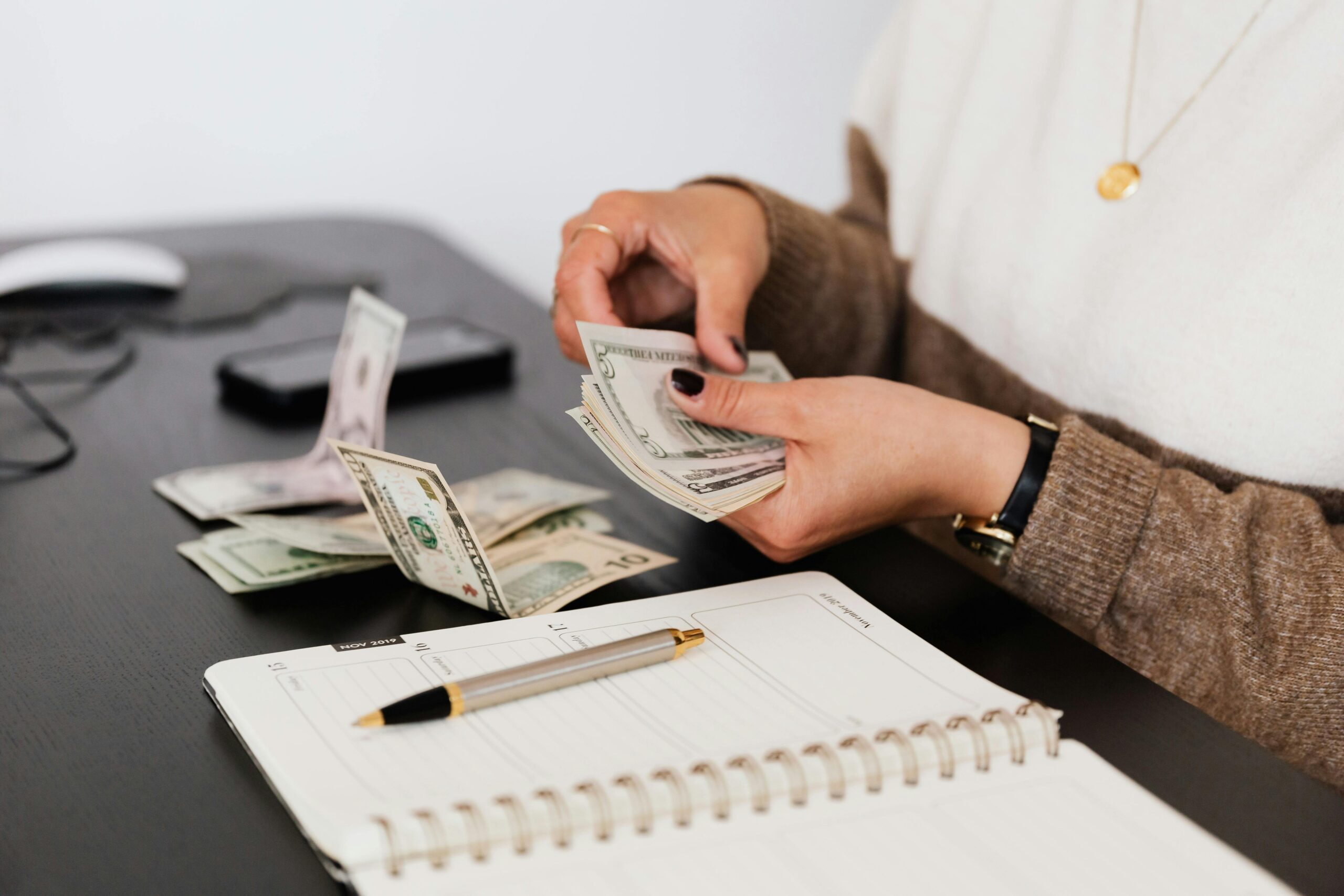
Money habits benefit enormously from temporary experiments. A no-spend challenge for one month—where you only purchase absolute necessities—reveals how much spending happens on autopilot.
Track every dollar during your experiment using budgeting apps that categorize spending automatically. Many people discover that temporary financial restrictions illuminate priorities: which “essential” purchases they don’t actually miss, and which modest luxuries significantly enhance their quality of life.
Minimalism Experiments
Rather than permanently embracing minimalism, try a 30-day decluttering challenge: remove one item daily, or tackle one area weekly. This temporary approach makes the overwhelming prospect of decluttering feel manageable.
Notice how your space affects your mental clarity. Many people find that temporary minimalism experiments reveal the liberating power of less stuff, naturally leading to more permanent changes in consumption habits.
🎯 Designing Your Personal Lifestyle Experiment
The most powerful temporary adjustments are personally designed, not copied from others. Here’s how to structure your own transformation experiment.
Step One: Identify Your Curiosity
What aspect of your life feels stuck? Where do you wonder “what if?” That curiosity points toward your ideal experiment. Don’t choose based on what sounds impressive—choose based on genuine interest.
Step Two: Define Clear Boundaries
Specify exactly what you’re committing to, for precisely how long. “Get healthier” is too vague. “Walk 8,000 steps daily for 21 days” is specific and measurable. Clear boundaries create clarity about success.
Step Three: Establish Your Tracking System
Decide how you’ll measure your experiment. Will you journal daily reflections? Use habit tracking apps? Take weekly photos? Create a simple spreadsheet? Tracking transforms vague impressions into concrete data.
Step Four: Schedule Your Review
Calendar your end-date evaluation before you begin. When your temporary period concludes, assess honestly: What did you learn? What surprised you? What benefits do you want to maintain? Which aspects feel unsustainable?
🌈 When Temporary Becomes Transformative
The magic of temporary adjustments lies in their honesty. By removing the pressure of permanence, you create space for authentic self-discovery. Some experiments you’ll abandon after the time limit expires—and that’s perfect. That data matters too.
Other temporary changes naturally integrate into your life because you’ve experienced their benefits firsthand. These aren’t shouldering impositions—they’re upgrades you genuinely want to keep. This organic transition feels completely different from forcing yourself to maintain unsustainable permanent changes.
Avoiding Common Experiment Pitfalls
Don’t sabotage your experiments with these common mistakes. First, avoid choosing too many changes simultaneously. One well-executed experiment teaches more than three half-hearted attempts. Your willpower is finite—invest it strategically.
Second, resist the perfectionism trap. Missing a day doesn’t invalidate your entire experiment. Approach your temporary adjustment with scientific curiosity rather than moral judgment. You’re gathering data, not proving your worth.
Third, share selectively. Tell supportive people about your experiment, but don’t broadcast it to skeptics or energy vampires who’ll undermine your commitment with unsolicited opinions.
🚀 Your Invitation to Intelligent Experimentation
The smartest, happiest people aren’t those who never change—they’re those who change strategically, intentionally, and experimentally. They approach life as a laboratory, constantly testing hypotheses about what serves their wellbeing.
You don’t need to overhaul your entire existence. You need one well-designed temporary adjustment that teaches you something true about yourself. Start small. Choose one experiment. Set your timeline. Track your experience. Evaluate honestly.
Perhaps you’ll discover that waking at 5:30 AM makes you miserable despite what productivity gurus claim. Perhaps you’ll learn that you’re genuinely happier without alcohol. Perhaps you’ll realize that daily creative practice transforms your mood more than any medication.
These discoveries only emerge through experimentation. Reading about change generates knowledge. Temporarily implementing change generates wisdom. That wisdom—earned through your own experience rather than borrowed from others—becomes the foundation of a life designed for your unique needs.
The Ripple Effect of Small Experiments
One successful temporary adjustment creates momentum for others. The confidence gained from completing a 21-day meditation practice makes a 30-day fitness challenge feel more achievable. The clarity gained from a digital detox makes financial experiments more appealing.
These experiments compound, creating a lifestyle characterized by intentionality rather than autopilot. You become someone who questions defaults, who experiments courageously, and who trusts your own experience over external prescriptions.

🎁 The Gift of Temporary Permission
Perhaps the greatest gift of temporary lifestyle adjustments is the permission they grant—permission to try without committing, to explore without knowing the destination, to discover without forcing permanent decisions.
In a culture obsessed with permanent transformation and dramatic before-and-after stories, temporary experiments offer refreshing honesty. They acknowledge that sustainable change happens through curiosity and experimentation, not through willpower and force.
Your life isn’t broken and doesn’t need fixing. But it might benefit from some intelligent experimentation. The power to unlock a smarter, happier version of yourself doesn’t require dramatic overhauls or permanent commitments. It requires one simple temporary adjustment, approached with genuine curiosity.
What will you experiment with first? The answer matters less than your willingness to begin. Choose something, set your timeline, and embrace the temporary nature of your commitment. The insights you gain will guide you far more reliably than any permanent promise ever could.
Change isn’t something to fear or force—it’s something to experiment with intelligently. Your temporary adjustments today become the foundation of your transformed tomorrow. Not through rigid permanent commitments, but through flexible, curious, temporary experiments that teach you what your unique version of wellbeing actually requires.